01
miHoYo Anti-Fraud Announcement:
4 Arrested, 1 Dismissed, 24 Entities Permanently Blacklisted
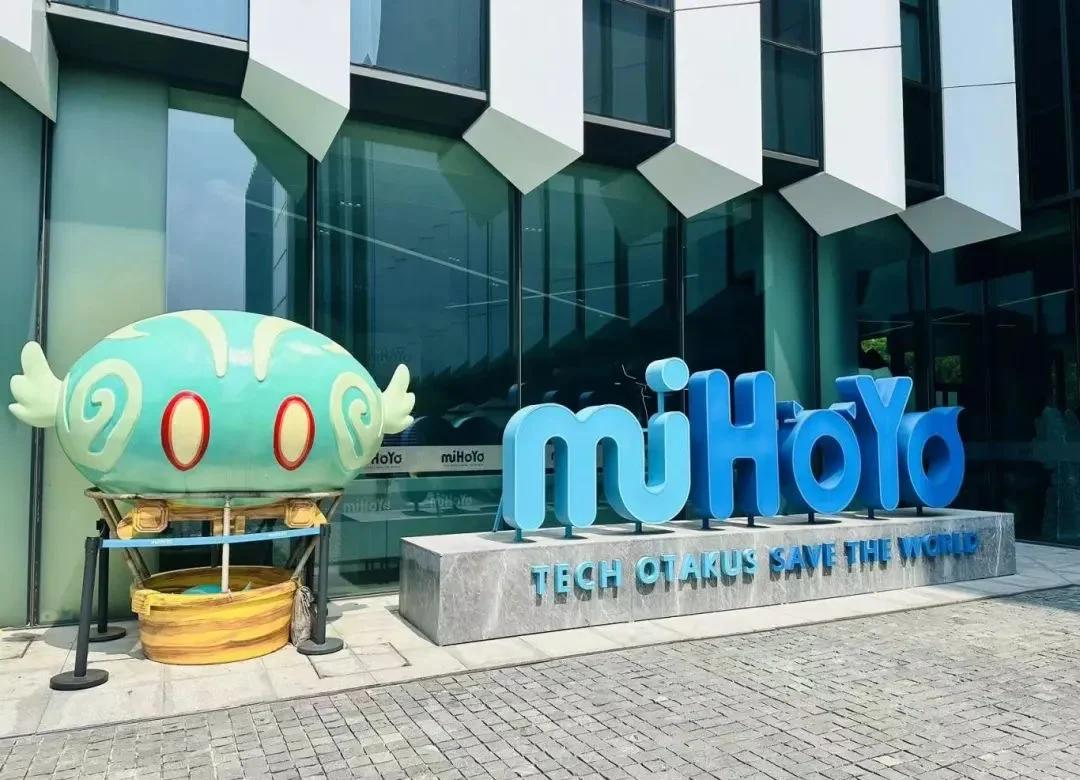
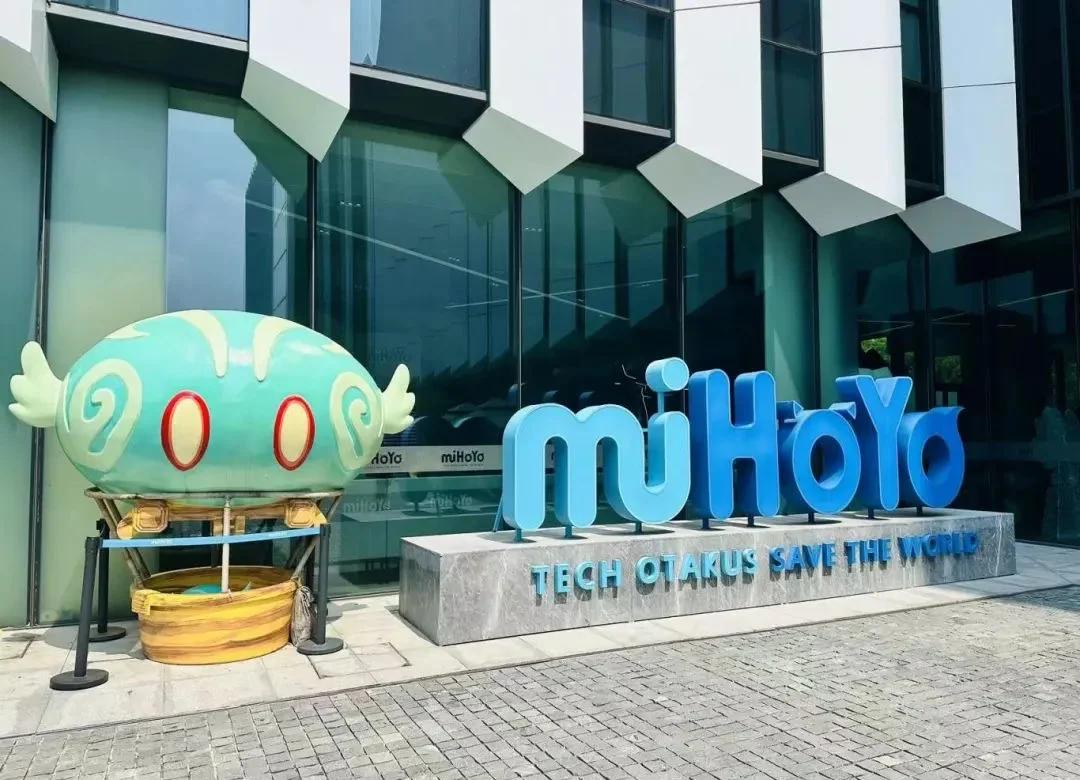
On February 6, miHoYo released an anti-fraud announcement through its official public account, disclosing its normalized mechanisms in institutional development, reporting channels, and enforcement procedures.
The announcement publicized several recently investigated typical cases: among them, four individuals were sentenced for committing the crime of accepting bribes by non-state personnel, and one individual was dismissed for illegally seeking benefits; at the same time, the company blacklisted 24 involved suppliers and announced permanent termination of cooperation.
 Nuocheng Commentary:
According to the recently released anti-fraud case announcement by miHoYo, while derivative merchandise businesses in the ACGN (anime-style) gaming sector generate significant revenue growth, they also expose non-negligible supply chain risks.
From design, production to sales authorization, each stage of such business involves close interaction with external suppliers, which may give rise to misconduct such as solicitation or acceptance of bribes by interfacing employees. Therefore, establishing a systematic risk prevention and control mechanism is essential, for example:
Improving the supplier management system by implementing strict admission reviews, performance evaluations, and blacklist mechanisms, and promoting transparency in bidding and price comparison processes at key stages;
Strengthening internal process control by clearly defining authorization and approval authority, setting multi-level review mechanisms for contracts and payments, and conducting regular compliance audits;
Establishing supervision and reporting channels through internal audits, irregular inspections, and anonymous reporting platforms to form a continuous oversight environment;
Conducting routine integrity training to enhance employees’ legal and compliance awareness and clarify behavioral red lines and consequences of violations.
Only by embedding risk prevention and control throughout the entire business process can derivative merchandise operations achieve healthy and sustainable development while generating profits.
02
Yoka’s Three Kingdoms: Famous Generals Faces “Reskin” Infringement,
Awarded RMB 5 Million in Damages
Recently, the Hainan Free Trade Port Intellectual Property Court published a case involving “reskin” infringement of a Three Kingdoms-themed card game.
The plaintiff, a Hangzhou-based company, claimed that its self-developed Three Kingdoms-themed card mobile game Three Kingdoms: Famous Generals received favorable market response after launch, whereas the defendant, a Hainan-based company, released Overlord’s Ambition, which was highly similar in character design, skill parameters, level design, and other core gameplay elements. The plaintiff asserted that the defendant’s conduct infringed its adaptation right and information network dissemination right and constituted unfair competition, seeking RMB 30 million in damages.
 After trial, the court held:
Similar game content does not constitute copyright infringement:
First, designs such as general skills, talent parameters, and tactic attributes are common gameplay mechanisms in Three Kingdoms card games, and such rule designs belong to the realm of ideas;
Second, level names and the order of general appearances derive from public domain materials such as Romance of the Three Kingdoms and Records of the Three Kingdoms. The creative space for game designers is limited and constitutes limited expression.Excessive imitation of the game constitutes unfair competition:
The two games share a large number of overlapping or highly similar designs in rule names and parameter settings, which cannot reasonably be regarded as coincidence.
Three Kingdoms: Famous Generals enjoys a certain level of market recognition and influence. The Hainan company’s imitation of the Hangzhou company’s game beyond reasonable limits reduced its own development costs and diverted the target user group. Therefore, such conduct violated the principle of good faith and relevant commercial ethics, harmed the lawful rights and interests of the Hangzhou company, and constituted unfair competition.
Ultimately, the court ordered the two defendants to jointly compensate the plaintiff RMB 5 million and rejected the remaining claims. The second instance upheld the original judgment.
Nuocheng Commentary:
When comparing game content based on classic literary themes such as Journey to the West or the Three Kingdoms, public domain content must be excluded to avoid incorporating public materials into the scope of exclusive protection.
Specifically, character images, basic plots, and level names originating from works such as Journey to the West and Romance of the Three Kingdoms, which have entered the public domain, belong to shared cultural heritage and may be reasonably used by any developer.
However, the public nature of the theme does not mean that developers may freely imitate specific gameplay design. What truly reflects a game’s originality and commercial value often lies in the in-depth design of skill systems, equipment systems, and battle mechanics at the level of game rules.
If a game is highly similar to a previously released game in overall structure, specific gameplay rule design, numerical settings, and other aspects, exceeding industry practice or reasonable reference, and thereby causes consumer confusion or weakens the market competitiveness of the original game, such conduct is likely to be recognized as violating principles of good faith and commercial ethics and constituting unfair competition.
03
Roblox Launches AI Tool:
Aiming to Directly Generate Complete Games
Recently, Roblox officially launched an AI-powered tool for generating interactive in-game items for players and creators and announced that its “Full Scene Generation” capability is under development and will be gradually released in the future. According to official disclosures by Roblox and reports from Reuters and The Verge, the tool is based on Roblox’s self-developed generative AI system and allows users to generate 3D items with operational and interactive logic through natural language prompts, such as doors that can be opened and closed or drivable vehicles.
Roblox refers to this capability as “4D Creation,” emphasizing that it is no longer limited to static model generation but incorporates behavior, rules, and interaction into the generation dimension, thereby significantly lowering the threshold for content creation. The company also stated that this tool represents an important step in building its AI world model, with the future goal of enabling AI to directly generate complete game scenes or even dynamic worlds.
The feature is currently in Beta or phased release status and is mainly available to the creator community for testing. Roblox believes that AI-driven creative tools will reshape the production model of UGC games and further expand platform content supply and ecosystem scale.
Nuocheng Commentary:
Roblox’s launch of AI-generated interactive content tools marks UGC platforms’ formal entry into the stage of “AI-native content production,” with implications extending beyond mere technological upgrades.
First, at the intellectual property level, ownership of AI-generated interactive items and future “complete scenes” will become a core issue among platforms, creators, and rights holders of model training data. If platforms permit direct commercialization or trading of AI-generated content, clearer allocation of ownership, scope of authorization, and infringement liability must be specified in user agreements.
Second, at the compliance and content governance level, when AI is capable of generating game objects or scenes with behavioral logic, potential risks are no longer limited to inappropriate images or text, but may involve more complex issues such as gameplay inducement, virtual property mechanisms, gambling elements, or protection of minors. For overseas game companies, this means that AI-generated content must be incorporated in advance into existing content review, risk control, and compliance frameworks.