(1) miHoYo Launches Criminal Crackdown on Game Leaks; Three Individuals Placed Under Criminal Measures
In October 2025, the Xuhui District Police in Shanghai solved a criminal case involving infringement of game copyright. Three suspects born after 2000—Su, Wu, and Zhou—were subjected to criminal compulsory measures for illegally leaking unreleased game content.
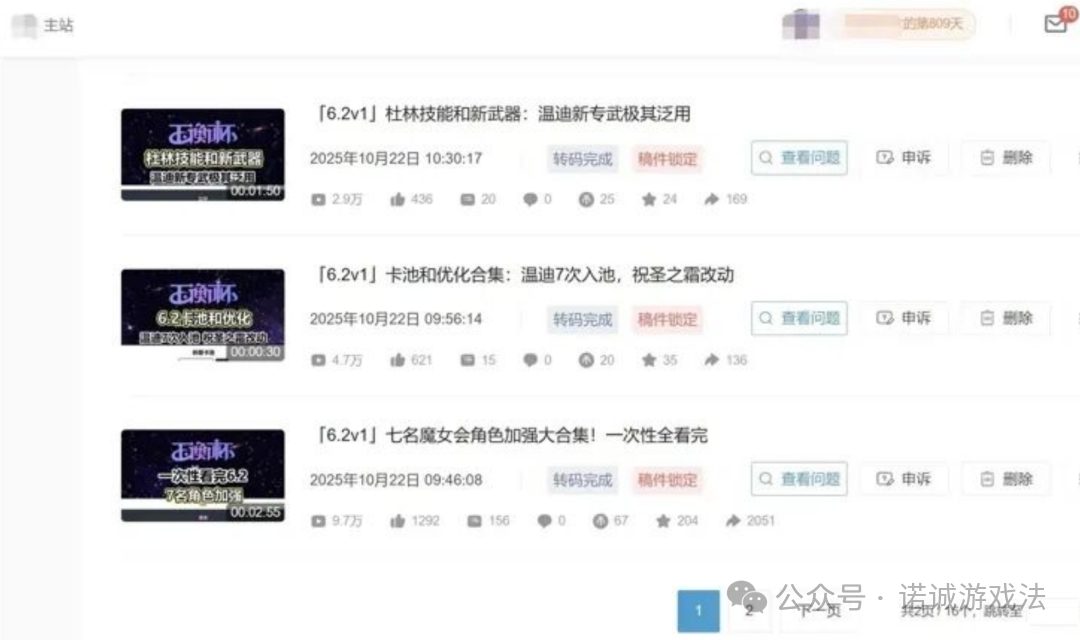
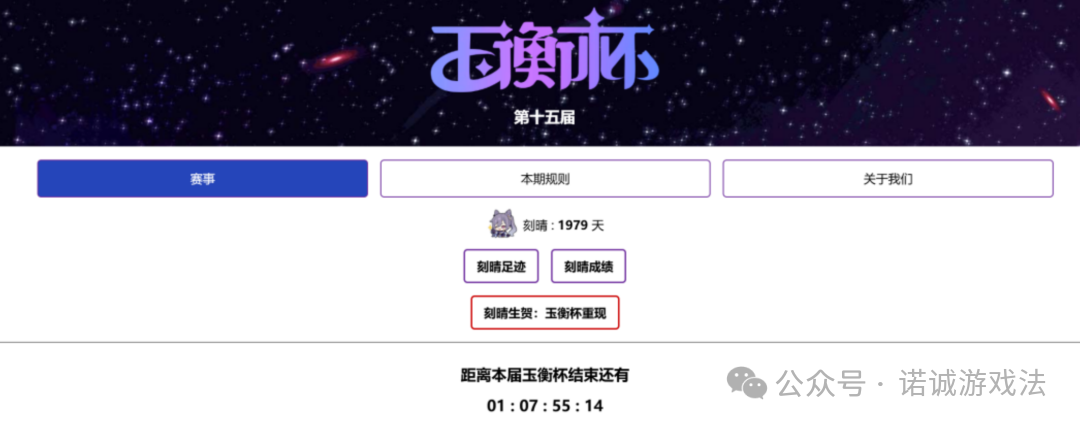
According to the investigation, suspect Zhou cracked a game testing package and stole core materials such as unreleased characters, scenes, and skill animations. He then edited the materials into videos and uploaded them to social media platforms, a self-operated website called “Yuheng Cup,” and private community channels. Each video received more than 100,000 views. Su and Wu were only responsible for reposting the videos.
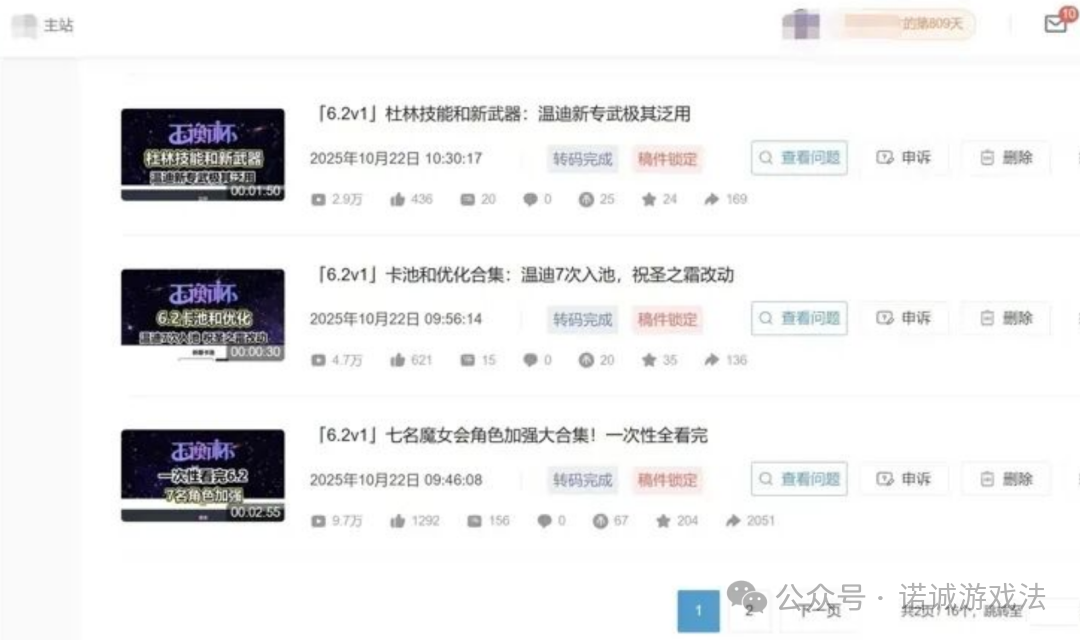
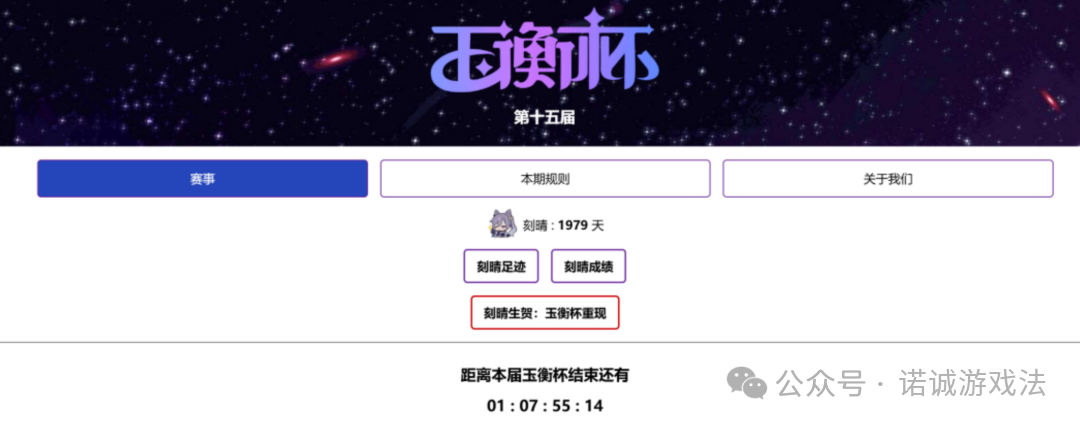 Currently, Zhou has been subjected to criminal compulsory measures by the police on suspicion of the Crime of Copyright Infringement, while Su and Wu have been transferred to the procuratorate for prosecution. The case remains under further investigation.
Nuocheng Commentary:
It is reported that this anti-leak operation was carried out both domestically and internationally. In early February, miHoYo also filed a lawsuit against Zhou in the U.S. District Court for the Northern District of Georgia, targeting the “Yuheng Cup” website. miHoYo alleged that the site had long published unreleased update information for Genshin Impact and Honkai: Star Rail, constituting systematic theft of trade secrets, copyright infringement, and disruption of the normal operational rhythm of the games.
In this case, during the investigation, the suspects argued that they “mistakenly believed deleting the videos would avoid legal liability.” In fact, once the leaked content was published, the conduct had already become unlawful—at minimum constituting civil infringement and, in more serious cases, potentially violating criminal law.
This case exposes vulnerabilities in copyright protection within the game industry and serves as a warning to the public: illegally obtaining and disseminating trade secrets will inevitably face severe legal consequences, and technological abuse will ultimately backfire.
Accordingly, the industry should strengthen a dual-track mechanism of ex-ante prevention and ex-post rights protection. On the one hand, companies should enhance internal data security management; on the other hand, they should establish rapid response procedures so that once leaks are discovered, evidence can be promptly preserved and legal action—whether civil litigation or criminal reporting—can be taken.
At the same time, the public should cultivate stronger respect for intellectual property rights and avoid taking legal risks merely for short-term online traffic.
(2) Hotel Launches Love and Producer Themed Meal Set and Issues Public Infringement Apology
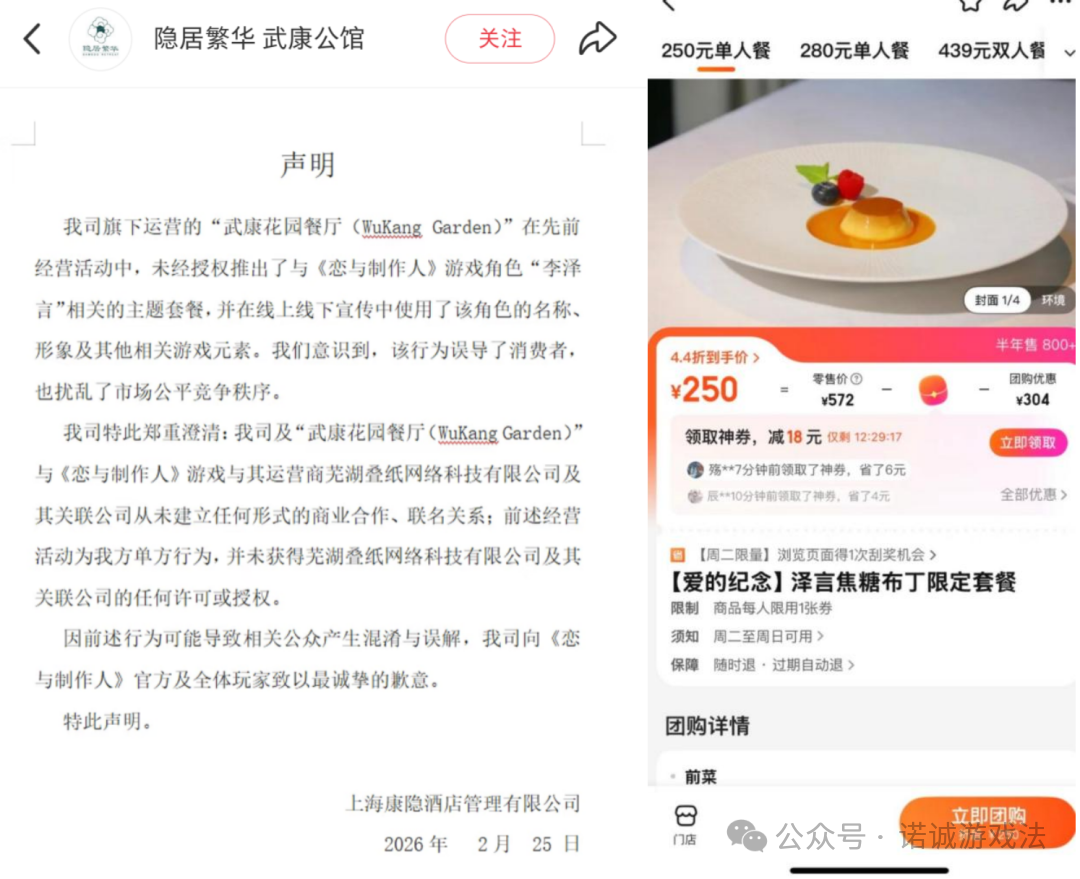
On February 25, 2026, Shanghai Kangyin Hotel Management Co., Ltd. issued an official statement admitting that its restaurant WuKang Garden had launched a themed meal set related to the character Li Zeyan from the well-known game Love and Producer without authorization.
In both online and offline promotional activities, the restaurant unlawfully used the name, image, and other elements of the game character—for example, displaying character images on food ordering platforms and launching products such as the “Zeyan Caramel Pudding Limited Set.”
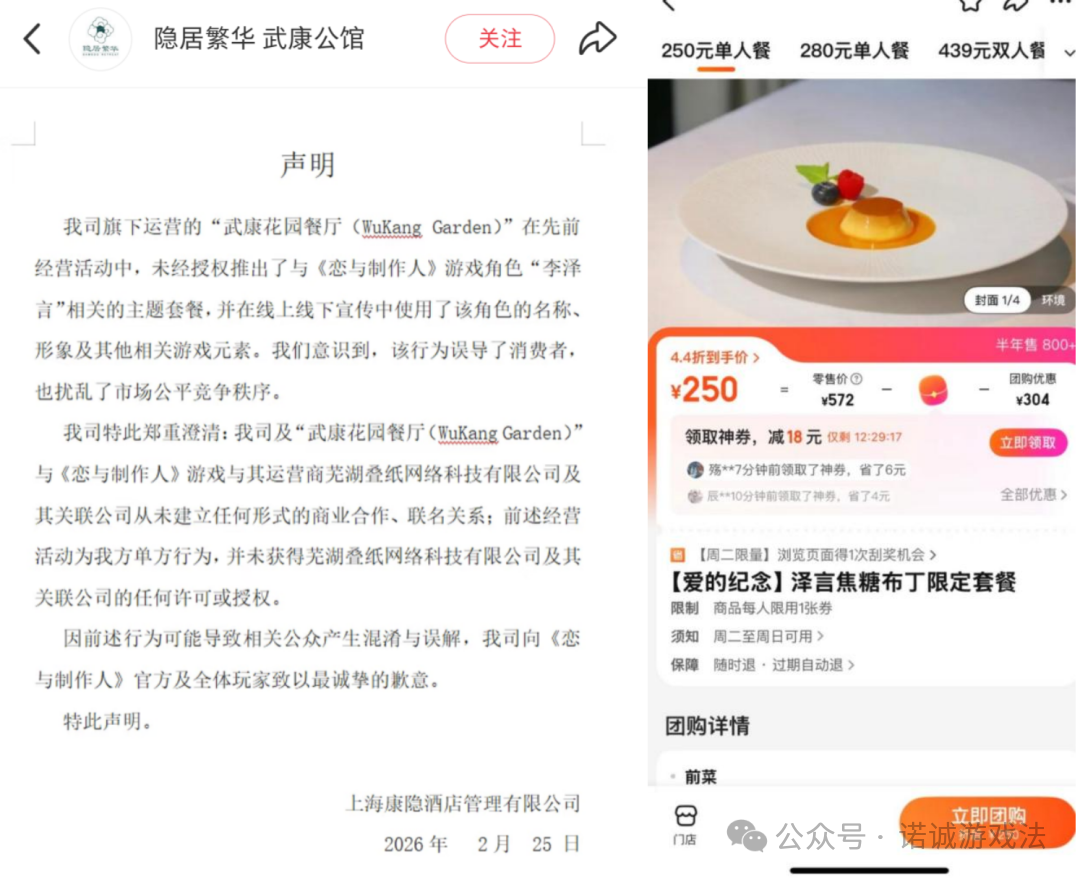 The company stated that these activities were conducted unilaterally and that it had never established any form of commercial cooperation or licensing relationship with the operator of Love and Producer or its affiliated companies.
The company acknowledged that its conduct misled consumers and disrupted fair market competition. It has issued a sincere apology to the game’s official operator and to all players, hoping to eliminate public confusion and misunderstanding.
Nuocheng Commentary:
Unauthorized cross-industry “IP piggybacking” involving popular games occurs frequently and essentially reflects disorderly competition driven by the pursuit of traffic.
Game companies may respond through multiple measures:
Strengthen intellectual property protection, including early trademark registration and copyright registration for character names and images to ensure a solid legal basis for rights enforcement.
Establish cross-platform monitoring mechanisms, using public opinion monitoring tools to track infringement clues in industries such as catering and cultural products and collect evidence promptly.
Proactively create legitimate licensing channels by launching official collaboration products to meet market demand and compress the survival space for “free-rider” businesses.
Clarify the boundaries of official authorization through community communication, guiding consumers to identify genuine products and weakening the influence of infringing conduct.
(3) New York Attorney General Accuses Valve of Gambling Violations, Targeting Loot Box Mechanics
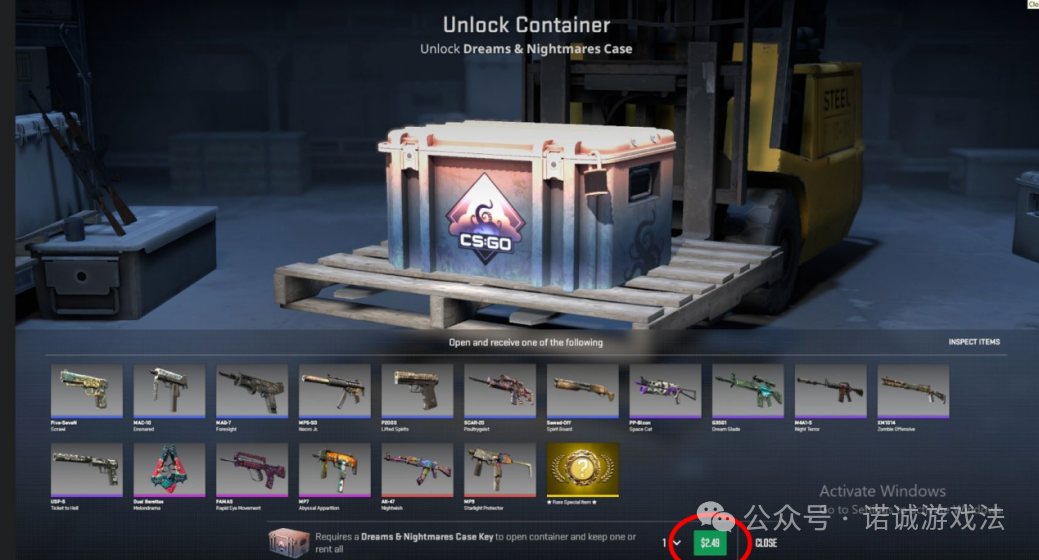
On February 25, 2026, New York Attorney General Letitia James formally filed a lawsuit against Valve Corporation, alleging that the loot box mechanisms in Counter-Strike 2, Team Fortress 2, and Dota 2 constitute illegal gambling under New York State law.
According to the prosecution, players pay approximately $2.49 to purchase keys that open random loot boxes. The outcome is determined by server-side random number generation, and players may obtain high-value virtual items that can be traded on the Steam Community Market or third-party platforms.
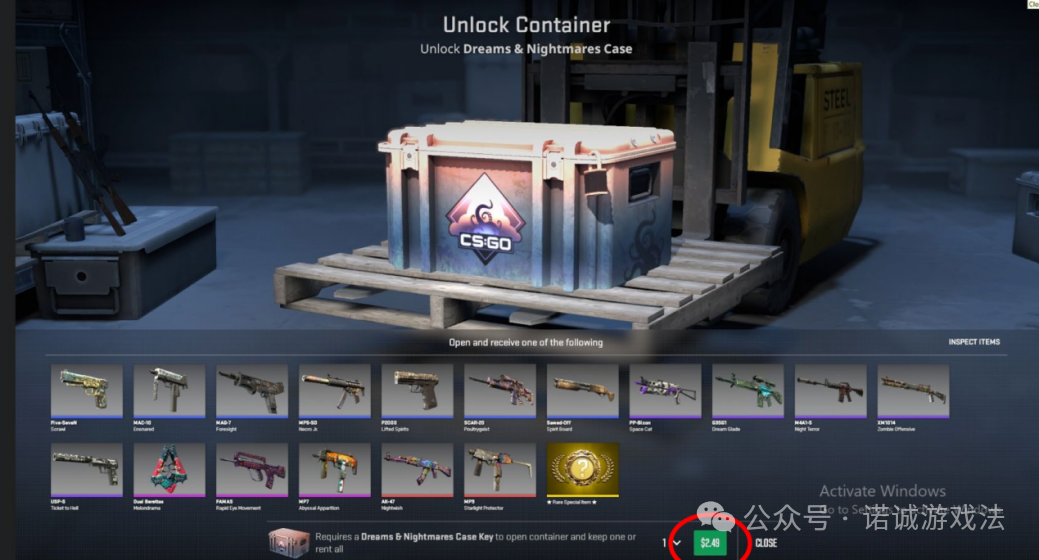 The complaint argues that the system satisfies the three elements of gambling under New York criminal law:
Consideration (payment of something of value)
Chance (random outcome)
Prize (receipt of something of value)
The complaint emphasizes that these virtual items possess tradability, priceability, exchangeability, and potential for monetization. Valve continuously profits through transaction commissions and structurally supports third-party cash markets, thereby facilitating gambling.
The prosecution is seeking:
A permanent shutdown of loot box features
Full refunds to consumers
Disgorgement of illegal profits and treble damages
Additional compliance reforms and potential supervision measures
If the case succeeds, it may reshape regulatory boundaries in certain U.S. states regarding the “probability mechanics + virtual item trading” model and serve as an important compliance warning for game companies targeting the U.S. market.
Nuocheng Commentary:
The core issue in this case is whether the digital virtual asset economy should be incorporated into traditional gambling law frameworks.
First, once virtual items possess channels for real-world monetization—even if such channels are not directly established by the official platform—they may still be recognized as possessing the economic nature of valuable stakes.
Second, a platform’s tacit tolerance toward third-party cash trading markets may be interpreted as subjective knowledge or even acquiescence. In regulatory logic, passive inaction may not necessarily constitute a defense, particularly when platforms can reasonably foresee that virtual assets may enter real-world trading markets.
Third, when probability mechanisms involve cash or equivalent property and generate rewards that are tradable and transferable, the arrangement may touch upon the core elements of gambling. In such circumstances, the risk may escalate from civil compliance issues to potential criminal liability.
Importantly, the risk does not arise from probability mechanisms themselves, but from the structural connection between those mechanisms and real-world financial value.
(4) Korea Officially Establishes a Loot Box Damage Relief Center
 On February 27, the Game Rating and Administration Committee (GRAC) held an unveiling ceremony in Busan to officially announce the establishment of the Loot Box Consumer Protection Center and publicly release its operational plan.
The center aims to protect user rights, mediate disputes, and promote the healthy and orderly development of the gaming industry. Participants at the ceremony expressed high expectations for the center and the future development of Korea’s gaming industry.
The establishment of the center is based on the amendment to the Game Industry Promotion Act passed in December 2024 and its Enforcement Decree promulgated in July 2025.
The center will specifically handle damage relief matters arising from the failure to disclose or false disclosure of probability information for loot box items, while also mediating disputes between game companies and users.
GRAC Chairman Seo Tae-geon stated:
“Although games have developed into a representative form of leisure culture, probability-based items and their opaque operational methods can easily harm user interests, increase social distrust toward the gaming industry, and intensify conflicts between companies and players.”
He noted that the center will serve as a crucial hub for protecting user rights and as an important communication bridge between companies and users.
Director Oh emphasized that protecting user rights can effectively reduce social costs and help the industry develop on a foundation of trust.
Accordingly, the center has formulated a three-phase roadmap:
2026: Establish operational rules and manuals, entering the “system construction” stage
2027: Refine categories of damage and stabilize the institutional framework
2028: Develop data-driven preventive education and further upgrade systemic capabilities
In terms of organizational structure and workflow, the center has established a dedicated operational structure and introduced a “five-stage one-stop process” for handling ordinary cases.
Special cases will be handled in cooperation with external academic experts. Investigation reports must be reviewed by the full meeting of investigators.
Additionally, a Damage Relief Subcommittee has been established, which will adopt relief decisions through majority voting.
Meanwhile, GRAC also disclosed post-implementation enforcement results for the Loot Box Probability Disclosure System. By the end of 2025:
18,026 cases had been monitored
2,542 cases required rectification
2,524 cases had completed rectification
The compliance rate reached 99%.
For overseas games that refused to rectify violations, blocking measures were implemented through industry self-regulatory rating institutions.
Lee Jae-hong, President of the Korea Association of Game Policy, stated that the establishment of the center will become an important milestone for Korea’s gaming industry in moving toward global regulatory standards.
Lee Cheol-woo, President of the Korea Game Users Association, noted that long-ignored user damage issues are finally being addressed through a dedicated institution.
A policy official from the Ministry of Culture, Sports and Tourism stated that the center will play a central role in strengthening user rights protection and building a healthy gaming ecosystem.
Nuocheng Commentary:
The establishment of the Loot Box Consumer Protection Center marks that Korea’s regulation of probability-based items has shifted from a “pre-disclosure obligation” model toward a stronger governance framework combining post-incident relief, dispute mediation, and enforcement coordination.
On the one hand, the center is institutionally grounded in the amended Game Industry Promotion Act and its Enforcement Decree, focusing specifically on damage relief caused by non-disclosure or false disclosure of probability information. This means regulatory oversight will no longer stop at rectification notices but will incorporate user disputes into an official mechanism capable of handling cases at scale.
As a result, companies may face higher-frequency complaint handling, document requests, and substantive reviews.
On the other hand, regulatory authorities’ disclosure of monitoring statistics and the practice of blocking overseas games that refuse rectification sends a clear signal: even companies without local entities in Korea—such as cross-border publishers or overseas studios—cannot easily evade Korean compliance requirements through “extraterritorial identity.”
Compliance costs may directly determine whether a game can remain listed and accessible in the Korean market.
For teams planning to publish games in Korea, probability-based item compliance should be treated as market entry compliance.
During the development stage, teams should unify probability disclosure standards, verify consistency between backend configuration and frontend display, and establish traceable approval procedures for operational changes.
During the operational stage, companies should implement dedicated monitoring and rapid correction mechanisms for the Korean market to ensure that configuration records, probability change logs, and announcement evidence can be immediately provided in regulatory inspections or user complaints.
At the same time, companies should prepare dispute resolution contingency plans—including unified response language, evidence packages, and remedial measures—to keep disputes within a controllable and mediable range and prevent escalation into blocking measures, rating sanctions, or broader trust crises.