
Recently, the UK Advertising Standards Authority (ASA), acting upon user complaints, issued warnings to Electronic Arts (EA), Miniclip, and Jagex, stating that advertisements promoting games with loot box mechanics must not violate applicable advertising standards concerning such in-game monetization features.
From the publicly released rulings, although ASA primarily adopted a “moderate” approach—requiring removal of non-compliant advertisements and enhanced future disclosures—its legal reasoning reveals the scrutiny and standards applied to loot box monitoring. These rulings provide deeper insight into how the Committee of Advertising Practice (CAP)Code is enforced in the gaming context.
Case 1: EA’s Failure to Disclose Loot Boxes and In-Game Purchases
The complaint against EA concerned two Facebook advertisements for “Golf Clash.”
The complainants argued that the game and its online store included the ability to purchase random items (i.e., loot boxes), and questioned whether the advertisements were misleading due to omission of key information.
The first advertisement appeared in August 2023. The video depicted a man pointing to on-screen text that read:
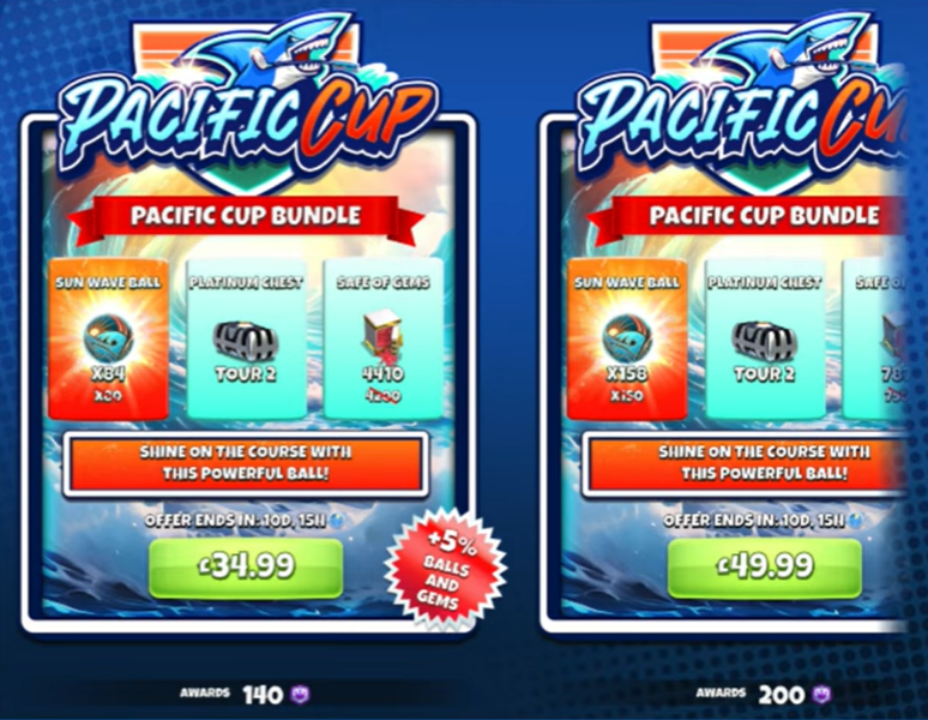
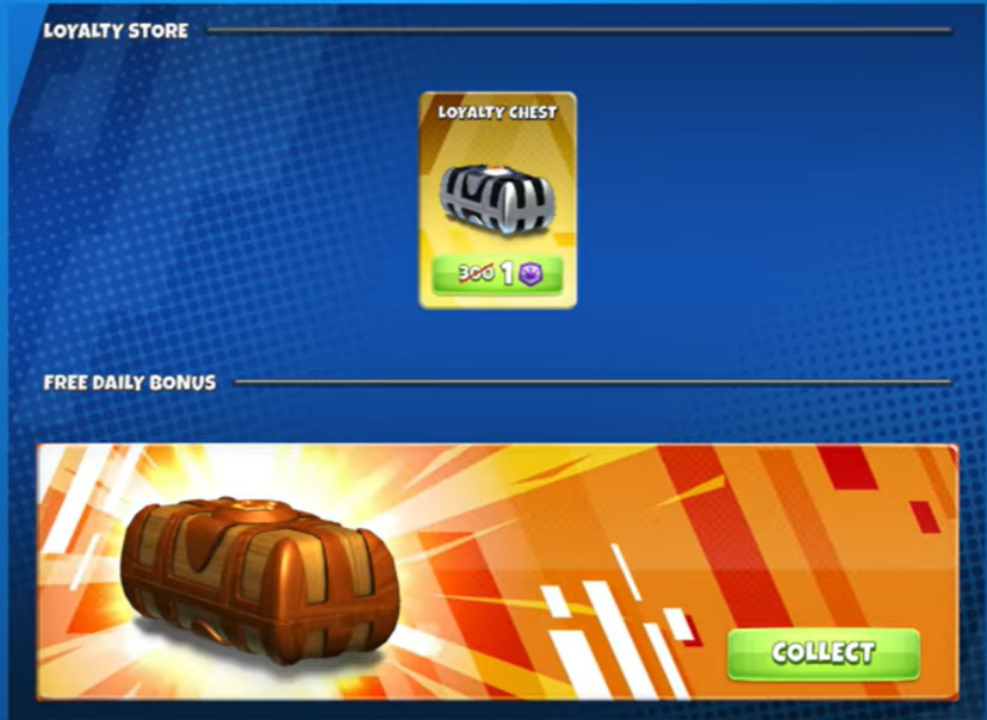
“Get 5% Extra Balls & Gems with Purchase,”
“Daily Login Rewards,” and
“Subscribe to our newsletter and get 500 gems.”
ASA found that Ad (a) promoted the launch of the Golf Clash online store, advertising “purchases” and “special offers.” Consumers would interpret this to mean that the online store offered direct purchases of in-game items.
However, ASA noted that the advertisement failed to mention the availability of loot boxes. Therefore, ASA determined that the information in Ad (a) was insufficient to inform consumers that loot boxes were among the purchasable items in the store.
The second advertisement, published in September 2023, promoted a tournament feature within the game. The promotional text stated that once players reach “Gold Prestige,” remaining items would be converted into “creation tokens.”

ASA concluded that Ad (b) was a promotion of gameplay features but failed to inform consumers that the game includes in-game purchases and loot boxes. This omission could influence users’ decisions on whether to download the game, and therefore constituted a misleading omission.
ASA held that because:
Ad (a) failed to disclose the inclusion of loot boxes in the store, and
Ad (b) omitted the presence of in-game purchases and loot boxes entirely,
both advertisements violated CAP Code rules 3.1 and 3.3, by misleadingly omitting material information necessary for consumers to make informed transactional decisions.
Case 2: Miniclip Required to Disclose Loot Boxes Even if Not Performance-Determinant
The complaint against Miniclip involved a Facebook advertisement for “8 Ball Pool.” The ad featured a “Play for Free Now” call-to-action and a link to the Apple App Store.

Complainants argued that the ad should have disclosed the presence of loot boxes, and that omission rendered the ad misleading.
Miniclip responded by stating that:
the game does not require purchases to play or progress,
thus, no material information was omitted,
and that the advertisement had already been withdrawn, with future ads to include appropriate disclosures.
ASA emphasized that under the Advertising Guidance, the presence of in-game purchases—particularly loot boxes—is critical to consumers’ decisions to purchase or download a game.

“8 Ball Pool” includes:
virtual currency,
functional in-game items such as cue sticks, and
loot boxes.
Because the advertisement did not disclose the presence of in-game purchases or loot boxes, ASA found that consumers would be unable to fully understand the commercial features of the game.
ASA concluded that the ad misleadingly omitted material information, violating the CAP Code.
Case 3: Jagex Cannot Rely on Landing Page Disclosures to Cure Ad Omissions
The complaint against Jagex involved a September 2023 advertisement for “RuneScape” which showcased gameplay visuals and introduced a new combat system: Necromancy.
The ad copy stated: “Harness the dark arts of Necromancy and defeat the First Necromancer,” and featured a button labeled “Play Game,” linking to the game’s website landing page.
The complaint argued that because RuneScape contains in-game purchases, including loot boxes, the advertisement was misleading by omission.

Jagex responded:
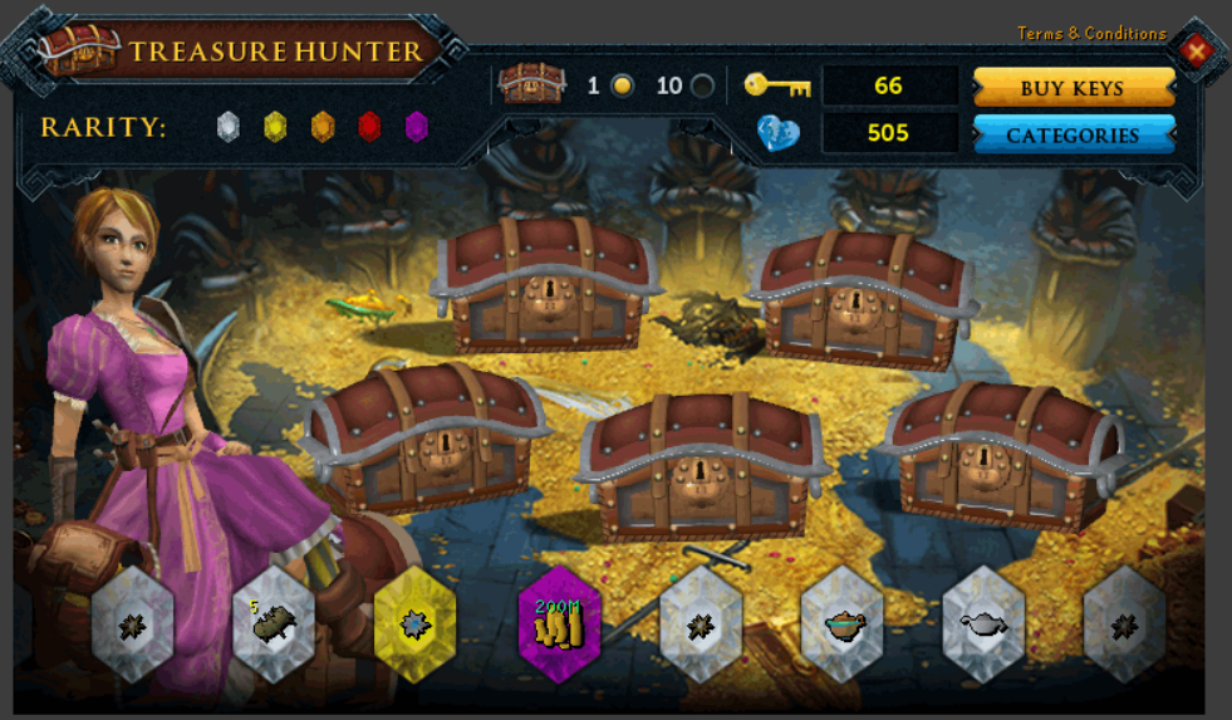
RuneScape is a free-to-play game that includes an embedded feature called “Treasure Hunter,” which allows players to use keys to open chests containing randomized valuable items.
Keys can be obtained in three ways:
Earned in-game;
Purchased with real-world money;
Purchased using in-game-only virtual currency.
Jagex asserted that the ad was focused on the new “Necromancy” skill update, not the “Treasure Hunter” feature.
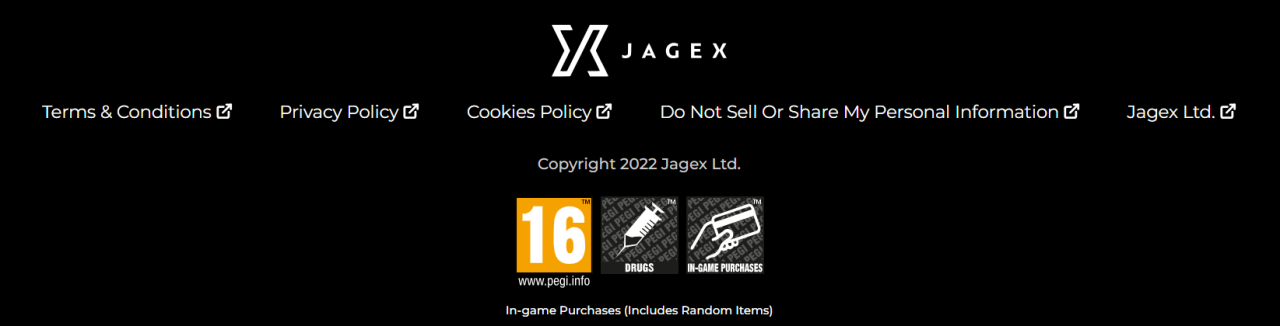
Jagex also stated that the landing page linked from the ad included:
Three PEGI labels in the footer, one of which was for in-game purchases, with explanatory text:
“In-game purchases (includes random items).”
The PEGI icons link to the PEGI website, which offers more details about the nature of in-game purchases.
A dropdown menu directing users to a dedicated page for “Treasure Hunter,” explaining its mechanics and reiterating PEGI tags.
A link to Terms and Conditions, including information about virtual currency and mini-game points.
Despite these disclosures, ASA held that:
RuneScape does contain in-game purchases, including loot boxes.
While consumers can access relevant information after clicking into the landing page,
the decision to click the ad itself constitutes a transactional decision—i.e., whether to engage with or download the product.
Therefore, the ad itself must directly disclose the presence of in-game purchases. Since it did not, ASA ruled that the ad omitted material information and thus violated the CAP Code.
Conclusion and Compliance Recommendations
Although ASA lacks formal enforcement powers, its rulings show a strict interpretation of disclosure obligations for in-game purchases and loot boxes in advertisements.
For game publishers promoting titles in the UK market, particularly overseas studios, the following best practices are recommended:
1. Fully Disclose In-Game Purchases and Random Mechanics
Game companies must clearly disclose the presence of in-game purchases—especially loot boxes—in advertisements. This ensures consumers are not misled about monetization mechanics.
2. Avoid Omitting Material Information
Even if in-game purchases or loot boxes are not the ad’s main focus, their omission may mislead consumers if these mechanics affect gameplay or value perception.
3. Include Clear Labels and Information Sources
Ads should include:
PEGI icons with in-game purchase and random item labels,
Links to full game terms,
Accessible pages describing in-game economy and probability mechanisms.
4. Conduct Regular Compliance Audits
Companies should regularly review advertising content for CAP Code compliance. Existing non-compliant ads should be revised or withdrawn promptly.
Internal compliance systems must ensure jurisdiction-specific requirements are met for each advertising market.
Relevant CAP Code Provisions
CAP Code 3.1
Marketing communications must not materially mislead or be likely to do so.
CAP Code 3.3
Marketing communications must not mislead by omission, hiding material information, or presenting it in an unclear, unintelligible, ambiguous, or untimely manner.
Material information includes details that consumers need to make informed decisions about a product. If the medium imposes time or space constraints, advertisers must take other steps to make the information available.