
NBA 2Kgame shutdownclass action lawsuit

NBA 2K Faces Class-Action Lawsuit in the U.S.

NBA 2K游戏在美国面临集体诉讼

March 18, 2026
18 views

Summary

Take-Two Interactive and its subsidiary 2K Games are facing a class action lawsuit over virtual currency practices in the NBA 2K series. Plaintiffs allege that once older game versions are shut down, purchased in-game currency becomes unusable, non-refundable, and non-transferable to newer versions, resulting in loss of user assets. The lawsuit claims this constitutes unfair business practices and civil theft, particularly as users were not adequately informed of such risks and technical transfer may have been feasible. The case highlights ongoing legal concerns surrounding virtual asset handling in annually updated sports games and remains in its early litigation stage.

Editor's Note: It is common for older versions of games to cease updates and operations following new releases, particularly in sports game series. The handling of users' virtual currency balances in older versions is also a matter of concern. 2K Games adopted a policy of no refunds, no exchanges, and no transfers, leaving players to bear the associated losses, which ultimately led to a class-action lawsuit. The case is currently in the filing stage, and the outcome remains unknown; we will continue to monitor the situation.

Game publishers Take-Two Interactive and 2K Games are facing a class-action lawsuit over their NBA 2K series. The lawsuit was filed on November 17, 2023, in the Northern District of California. The plaintiffs accuse the company of theft and unfair business practices because in-game virtual currency cannot be transferred between old and new versions of the game. Specifically, once the servers for an older version are shut down, the corresponding virtual currency becomes invalid, and users cannot receive refunds or transfer the currency purchased in the older version to the newer version.
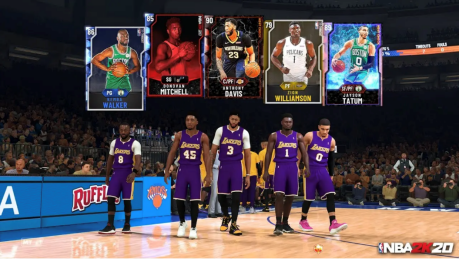
2K Games is a gaming brand under Take-Two, and its NBA 2K series is one of the most popular video game franchises in the United States. NBA 2K games allow players to spend real money to purchase in-game currency, which can be used to enhance player performance, buy outfit upgrades, add unique hairstyles, and access features unavailable to other players.

The plaintiffs argue that 2K Games regularly releases new versions of its sports games. Meanwhile, older versions have limited functionality; while players can continue to play the older versions, they can no longer access the online multiplayer features. Once an older version is discontinued, users can no longer use the virtual currency in their accounts; this currency cannot be transferred to other games nor refunded. There are no technical limitations preventing the transfer of in-game virtual currency, and 2K Games has never provided an explanation for this policy. Furthermore, users receive no warning when purchasing virtual currency that it may become invalid at 2K Games’ discretion. Users have no choice but to accept this; if they wish to continue using the game’s play-to-play features, they must purchase credits in the new version.
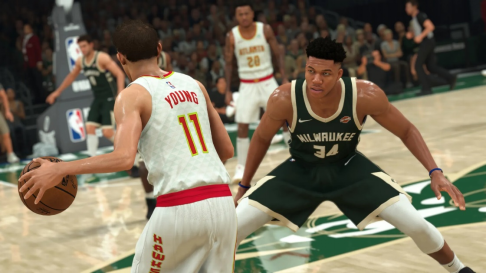
The plaintiffs allege that Take-Two and 2K Games engaged in unfair business practices and committed civil theft under the California Penal Code, stating that “by removing the plaintiffs’ and other class members’ virtual currency, the defendants stole the users’ personal property or fraudulently misappropriated property entrusted to them.” The plaintiffs argue that the destruction of virtual currency in games is uncommon, noting that Call of Duty allows players to transfer virtual currency to future games.

This is not the first time Take-Two Interactive has faced a class-action lawsuit. In March of last year, the company faced a class-action lawsuit over the use of loot boxes in its NBA 2K game. However, in October 2022, a judge ruled that the matter should be resolved through arbitration, and the subsequent outcome remains unknown.
中文原文

编者按:游戏更新迭代后旧版本游戏停止更新/运营较为常见,尤其是在体育系列游戏中更甚。旧版本游戏中用户虚拟货币余额如何处理也值得关注。2K Games采取不退款不兑换转移的方式,由玩家承担相关损失,但最终也引发了玩家的集体诉讼。目前该案件只是提起诉讼阶段,后续解决方式仍未得知,我们也将持续关注。

游戏发行商Take-Two Interactive2K Games因旗下运营的NBA 2K游戏而面临集体诉讼。该诉讼于2023年11月17日在加利福尼亚州北区提起,原告方指控该公司盗窃和非法商业行为,因为游戏内的虚拟货币不能在游戏的新旧版本中进行转移,即一旦旧版游戏的服务器停用,相应的游戏虚拟货币就失效,用户无法退款或将在旧版游戏中购买的游戏货币转移到新版游戏中。

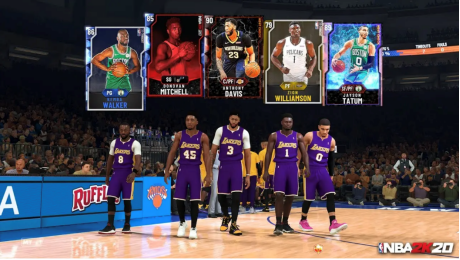
2K GamesTake-Two旗下的游戏品牌,其 NBA 2K系列游戏是美国最受欢迎的电子游戏。 NBA 2K游戏允许玩家花费真钱购买游戏虚拟货币,游戏虚拟货币可用于提高球员表现、购买服装升级、添加独特的发型以及其他玩家无法获得的功能。
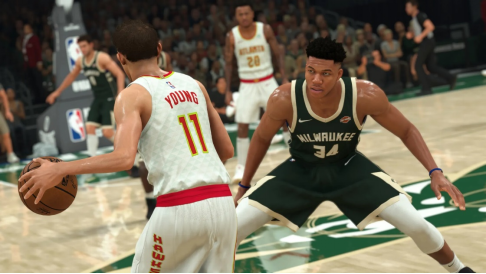
原告方表示,2K Games会定期推出体育游戏的新版本。同时旧版游戏功能受限,玩家能够继续玩旧版本,但无法继续使用旧版本的在线联网功能。一旦旧版本停运,用户就无法使用账户中的虚拟货币,这些虚拟货币无法转移到其他游戏中,也无法退款。没有任何技术限制可以阻止游戏中虚拟货币转移,2K Games也没有对该政策作出过解释。而且用户在购买游戏虚拟货币时并没有获得任何提示,说明虚拟货币可能会因为2K Games的一时兴起而失效。用户唯一的选择就是接受,如果想继续使用游戏的play-to-play功能,就只能在新版本中充值购买。

原告指控,Take-Two2K Games构成不公平的商业行为,且构成《加州刑法典》下的民事盗窃,指出“通过移除原告和其他集体诉讼玩家的虚拟货币,被告窃取用户的个人财产,或以欺诈方式侵占了委托给被告的财产”。原告主张,游戏中销毁虚拟货币并不常见,使命召唤允许玩家将虚拟货币转移到未来的游戏中。 

Take-Two Interactive来说,这已经不是第一次面临集体诉讼了。去年3月,曾因在其《NBA 2K》游戏中使用战利品箱而面临集体诉讼。但在2022年10月,法官裁定该事项应通过仲裁解决,后续解决方案就不得而知了。

分享文章

相关文章

General

Game Licensing (ISBN Approval): Can Cultural Enforcement Be Exercised Across Regions?

游戏版号,文化执法也能异地?

This article analyzes the legality and rationality of cross-regional administrative enforcement in game licensing cases in China. It argues that, under the current legal framework, enforcement should follow the principle of territorial jurisdiction, as the place of illegal conduct is typically tied to the location of the game company. Cross-regional enforcement may lead to jurisdictional conflicts, increased compliance burdens, and risks of profit-driven enforcement, thereby undermining the business environment and procedural fairness.

6 views
General

Twitch bans streamers from “promoting or sponsoring” CS:GO skin gambling

Twitch禁止主播“推广或赞助”CSGO皮肤赌博

Twitch has updated its community guidelines to further restrict gambling-related content, explicitly banning the promotion and sponsorship of skin gambling websites, particularly those مرتبط with Counter-Strike: Global Offensive. Since 2022, Twitch has prohibited the promotion of gambling sites that are not licensed in jurisdictions with consumer protections, naming platforms such as Stake, Rollbit, and Roobet. The latest update expands these restrictions to include CS:GO skin gambling sites and their free social versions, while also banning links, promo codes, and visual displays of such content. Twitch stated that the move responds to renewed interest in CS:GO skin gambling.

3 views
General

U.S. Market Expansion: New Age Verification Method Under COPPA

美国出海:COPPA下新的年龄验证方法

To facilitate compliance with the Children’s Online Privacy Protection Act (COPPA), the Entertainment Software Rating Board (ESRB), together with other U.S. institutions, has proposed a new mechanism for obtaining verifiable parental consent (VPC). The proposal relies on privacy-protective facial age estimation technology, developed with technical support from Yoti and SuperAwesome. The U.S. Federal Trade Commission (FTC) is currently soliciting public comments on whether this method falls within existing COPPA-approved verification methods, whether it satisfies the statutory requirements for parental consent, and whether it introduces privacy risks, including those related to biometric information. The proposal signals a potentially significant development in age verification compliance for online platforms and gaming services operating in the United States.

5 views