
Recently, Google Ads announced the latest update to its “System Evasion” policy, which will take effect in November 2024. Gambling and gaming ads fall under high-risk categories, as their content often misleads users or violates local regulations. Due to economic, cultural, and religious differences, the legal adjustments involved are more complex than for other ad types, with varying rules across regions. Therefore, this update specifically requires gambling and gaming advertisers to disclose information and strengthens management of advertising accounts.
PART 1
“System Evasion” Policy
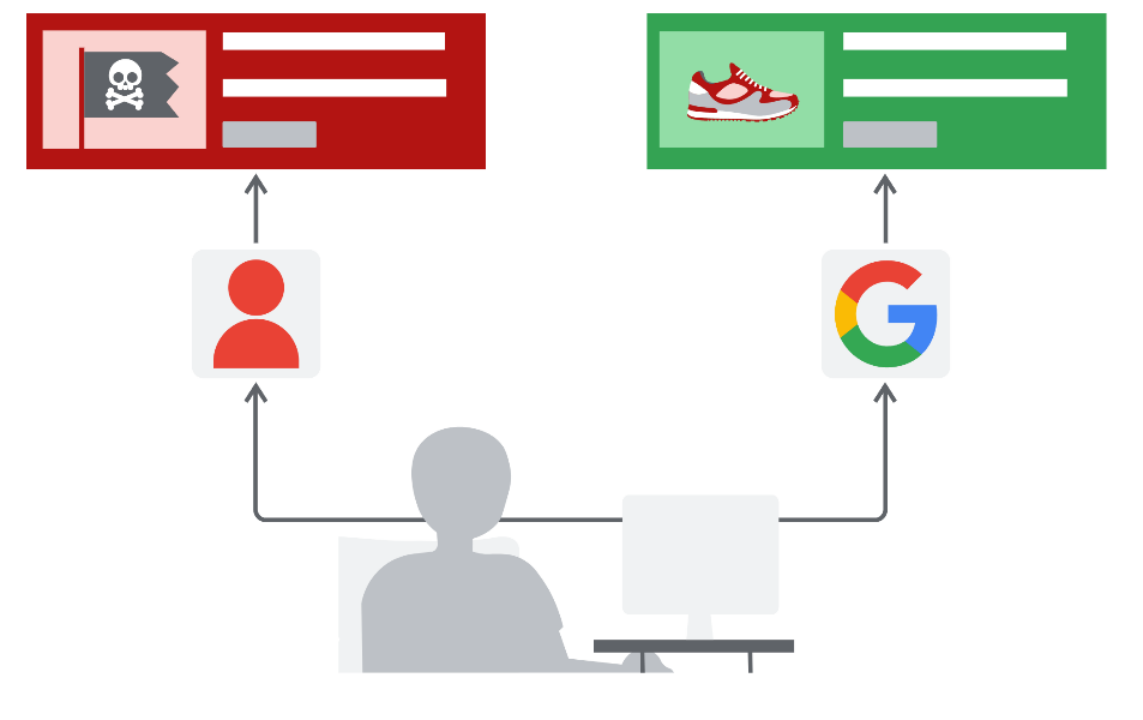 “System evasion” refers to any attempt to circumvent or interfere with Google's advertising systems and processes, or attempts to do so. The policy aims to prevent deliberate deception of Google Ads reviews to deliver ads containing illegal content.
Based on previous updates, Google provides examples (but not limited to):
*Interfering with Google's review systems by concealing the true content of ads or websites, such as displaying different content to Google and other users; hiding or attempting to hide non-compliant content, including:
(1) Redirecting to non-compliant content
(2) Using dynamic DNS to switch webpage or ad content
(3) Manipulating website content or excessively restricting landing page access, making it difficult for systems to effectively review ads, websites, or accounts
(4) Using click-tracking ad code to redirect users to malicious sites
Note: Tailoring genuinely valuable personalized content for specific users does not constitute this type of substitution. Examples include providing different language versions of the same content or variations based on the user's ISP, provided the core content remains substantially the same, the variations comply with Google Ads policies, and Google can review at least one version.
*Using multiple accounts to repeatedly or simultaneously violate Google Ads policies.
*Creating variations of previously disapproved ads or content to circumvent review and detection.
*Creating new accounts after suspension to re-enter the Google Ads system.
*Abusing Google Ads product features to display non-compliant content.
*Submitting false information during verification processes.
PART 2
Update Details
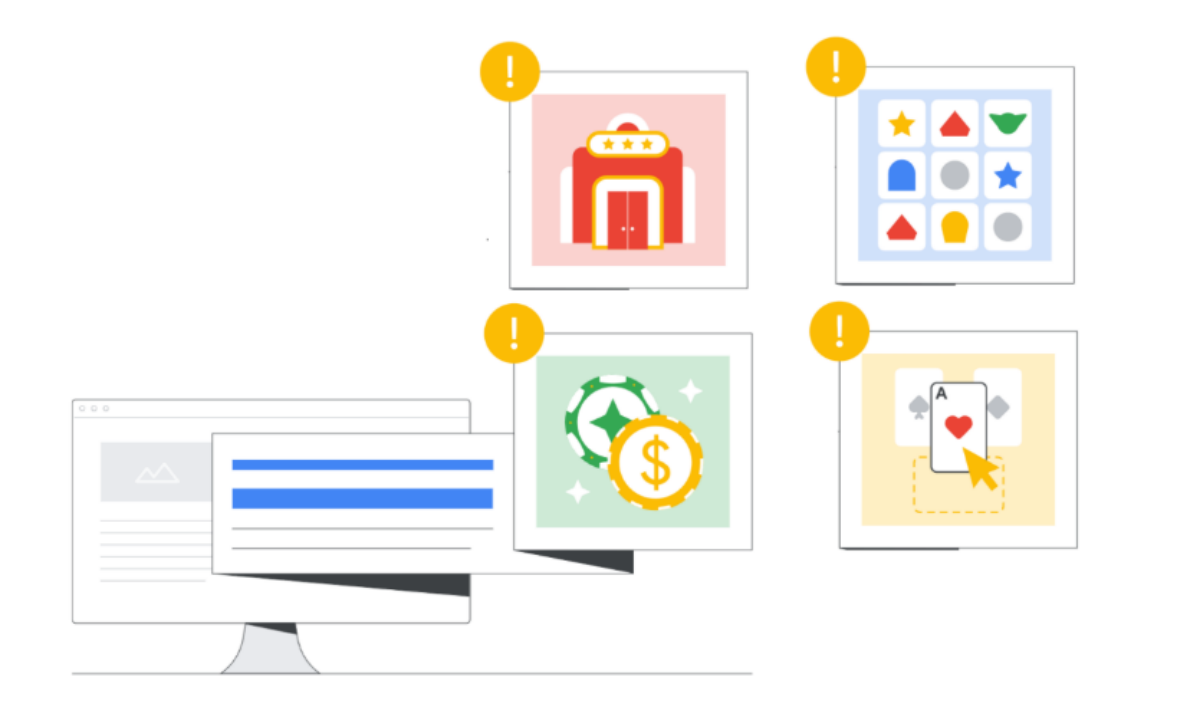 If any material changes occur since submitting the gambling and gaming certification application, advertisers holding gambling and gaming certification must either recertify or cease relying on that certification to promote products falling under the gambling and gaming policy scope.
Material changes include:
(1) Changes to the products offered by the advertiser that conflict with any licenses or approvals provided to Google;
(2) Changes to the advertiser's compliance with applicable regulations;
(3) Changes to the advertiser's licenses or other compliance requirements for Google's “Gambling and Gaming” certification.
Note: Under the updated policy, changes to an advertiser's address or payment method are not considered material changes.
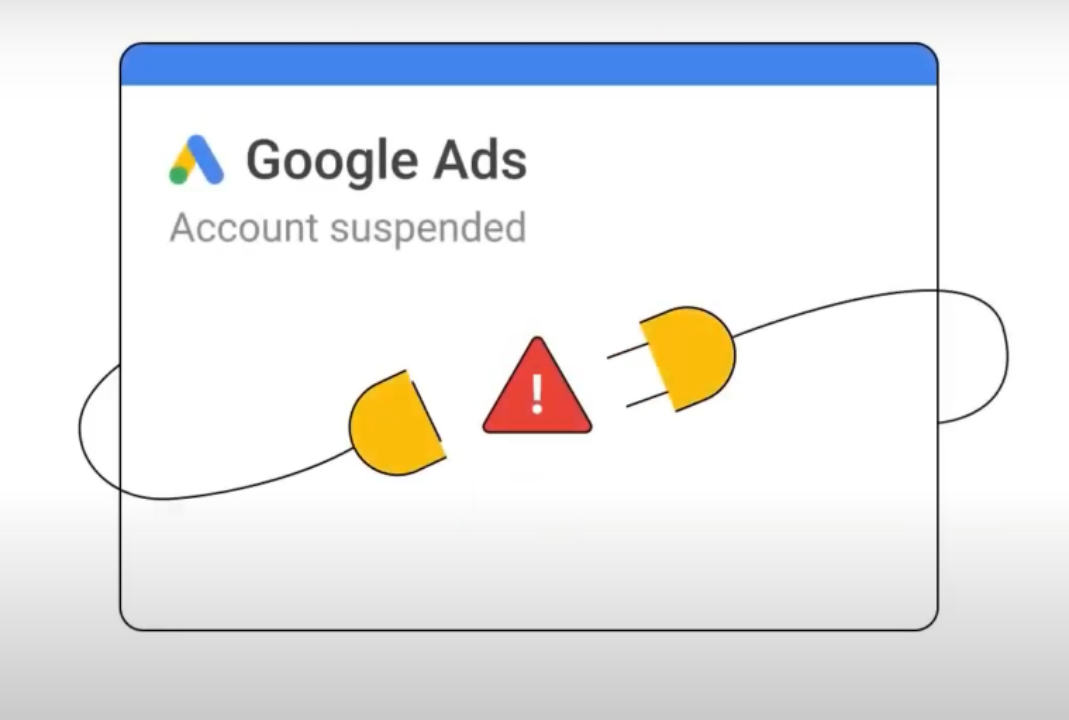 Failure to apply for recertification after a material change constitutes a violation of the “System Circumvention” policy. Typically, Google will notify advertisers of policy violations via in-account messages or email at least 7 days prior to account suspension, detailing the violation reason and providing an appeal link. Violating the “System Circumvention” policy constitutes a severe violation, as it involves illegal activity or poses significant harm to Google users, making it impossible for Google to assume the risk of displaying the advertiser's ads to users in the future. Upon detecting such behavior, Google will immediately suspend the account without prior warning, and the advertiser will be permanently barred from advertising through Google.
PART 3
Compliance Recommendations
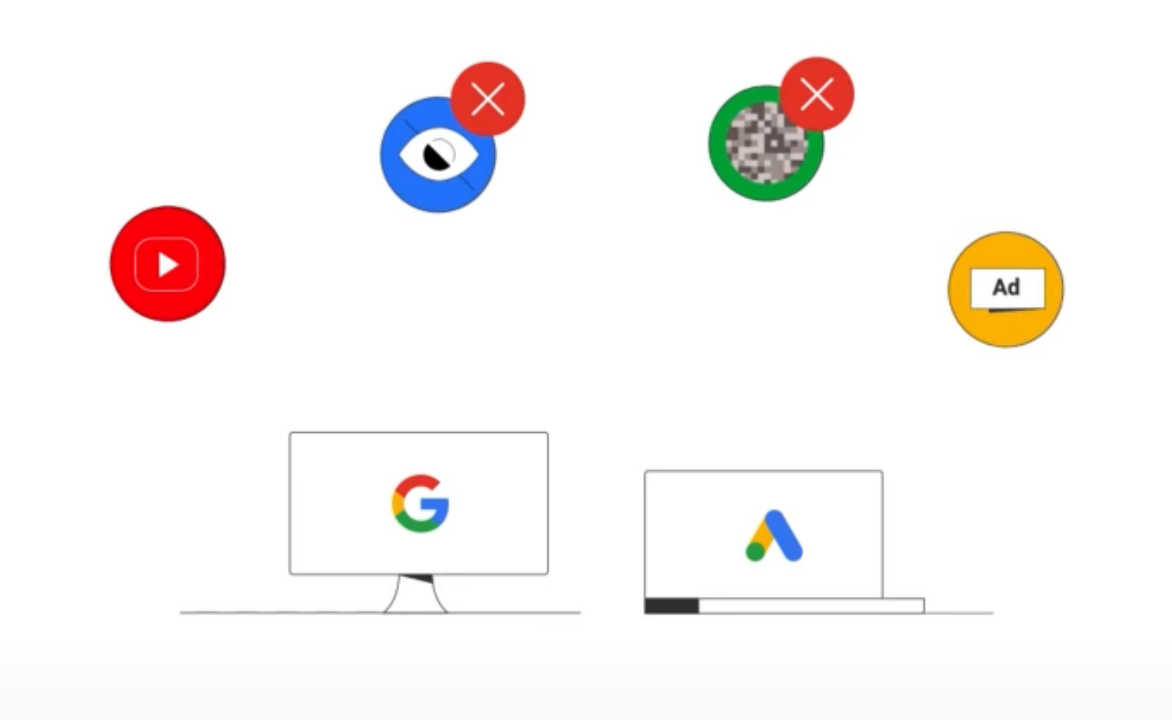 Google sources information from diverse channels—including ads, accounts, content, user complaints, consumer reviews, regulatory warnings, and rulings—to detect policy violations. For this update, advertisers with gambling and gaming certifications are advised to self-audit account changes to avoid business losses from non-compliance:
(1) Carefully verify alignment between certifications held and advertised content. Google Ads requires separate certifications for offline and online gambling.
(2) Closely monitor gambling restrictions under local laws where ads are displayed. Promptly adjust ad content based on the latest legal requirements and understand which countries or regions permit specific types of gambling ads.
(3) Google currently employs distinct certification application methods for privately licensed operators, social casino game operators, and entities operating in countries/regions where only state-owned entities are permitted to conduct gambling activities. Advertisers should meticulously verify their acquired certifications. Additionally, separate applications must be submitted for promotions targeting different countries or regions.
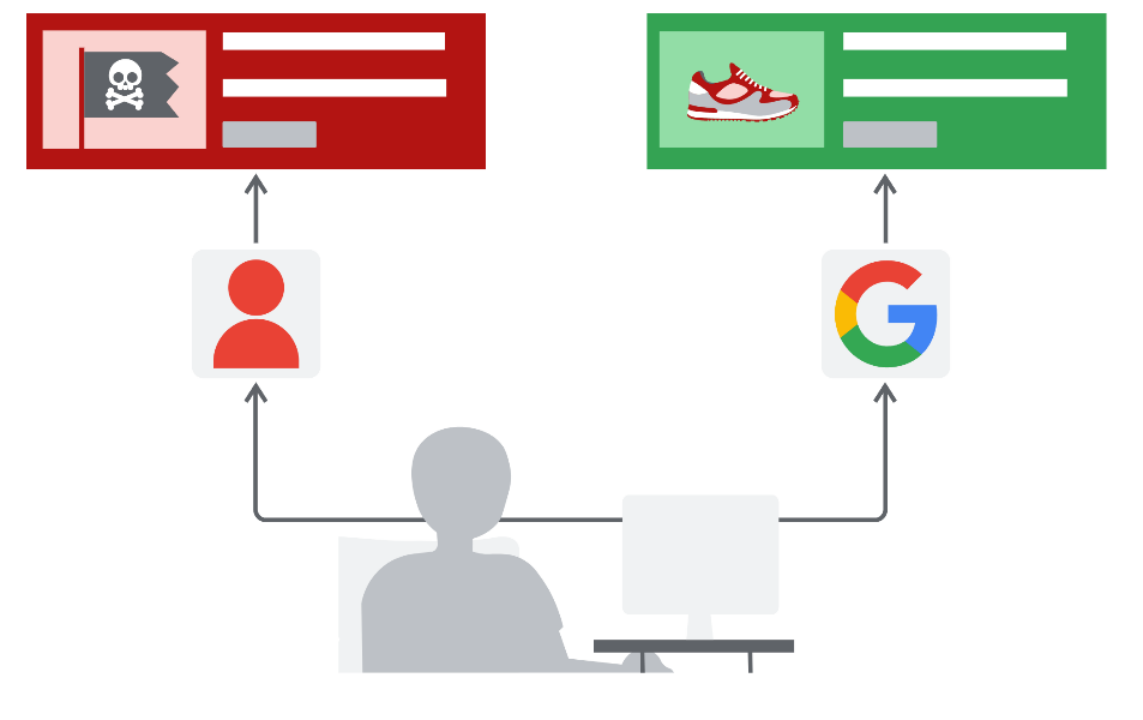 “规避系统“是指不允许出现规避或干扰 Google 广告系统和流程的行为,或试图做出此类行为。该政策的目的是防止人为欺骗Google Ads的审查以投放含非法内容的广告。
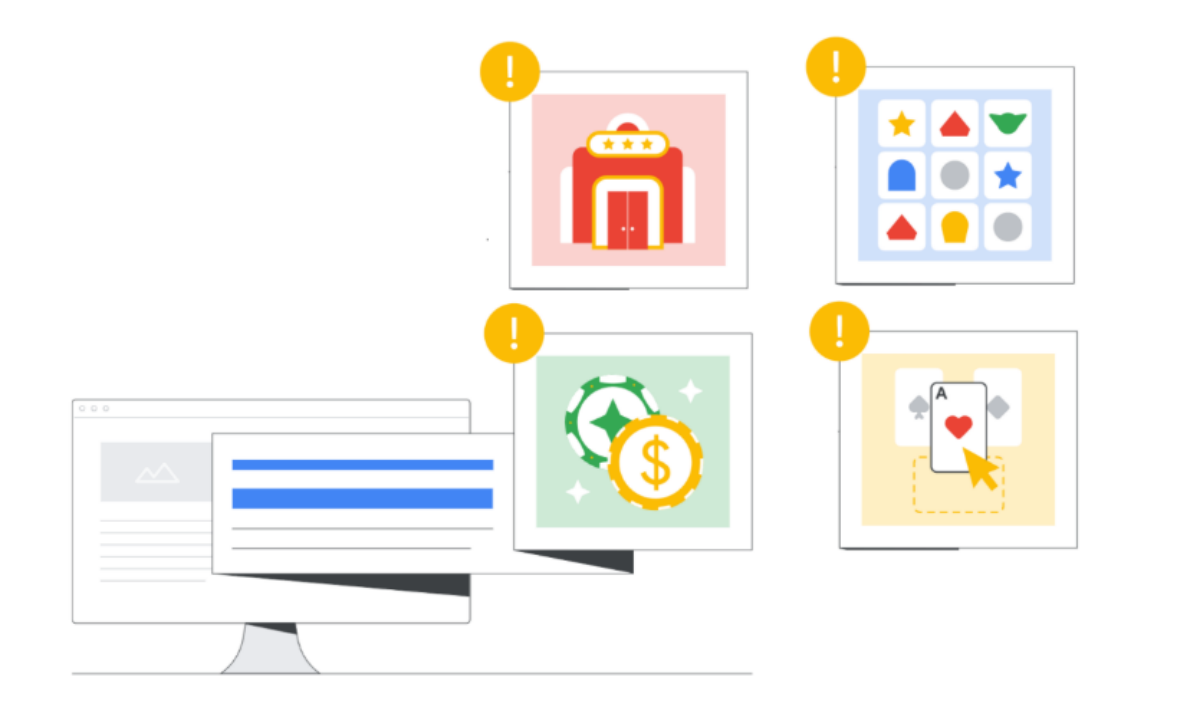 如果自提交赌博和游戏认证申请以来发生了实质性变更,则获得赌博和游戏认证的广告主必须重新认证或停止依靠该认证来宣传赌博和游戏政策范围内的产品。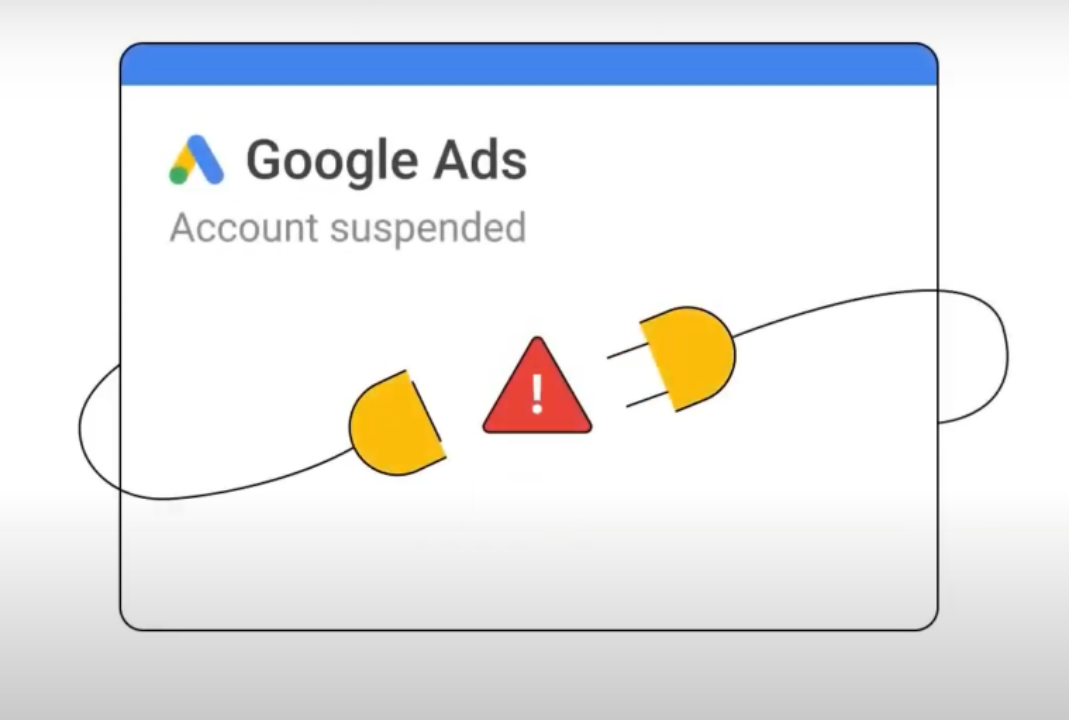
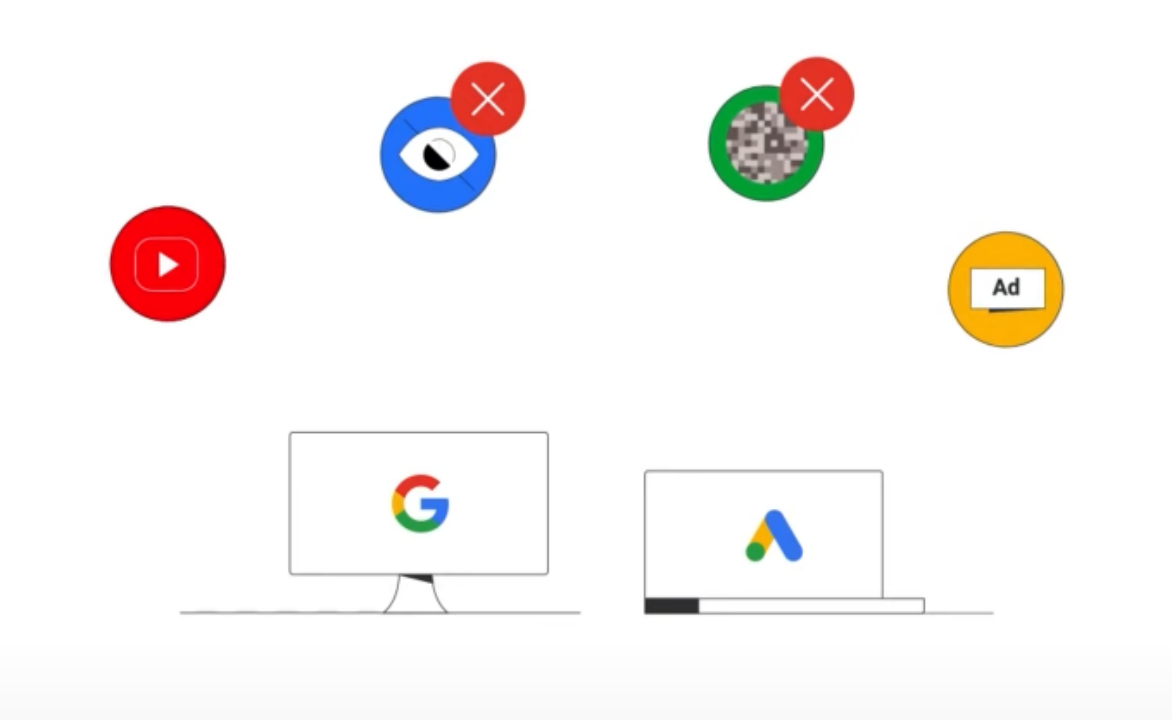 Google审核的信息来源非常广泛,包括广告、账号和内容、用户投诉、消费者评价、监管机构发出的警告和做出的裁决来检测违反政策的行为,对于此次更新,建议具有赌博和游戏认证的广告主对自身账号存在的变更进行自查,避免因政策不合规导致商业损失: