
As competition in the gaming market intensifies, some games choose to shut down and exit due to factors such as the end of their lifecycle, business restructuring, insufficient profitability, policy restrictions, or commercial considerations.
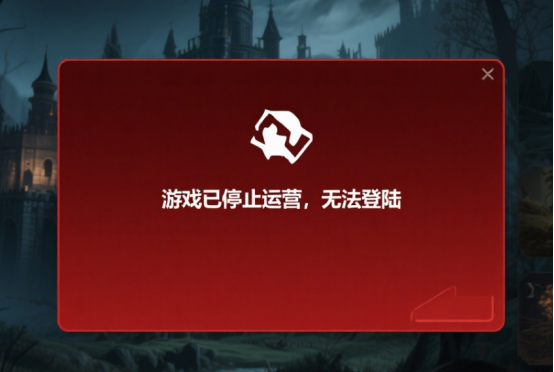 However, “service termination” extends beyond merely shutting down servers; it constitutes the termination of online service agreements, involving the resolution of multiple rights and obligations concerning user virtual assets, prepaid credits, personal information, and more. Consequently, hasty service termination not only angers players but may also invite regulatory penalties and legal litigation. This article distills core compliance essentials, offering guidance for compliant game service termination.
PART 1
Mechanism for Issuing Service Termination Notices
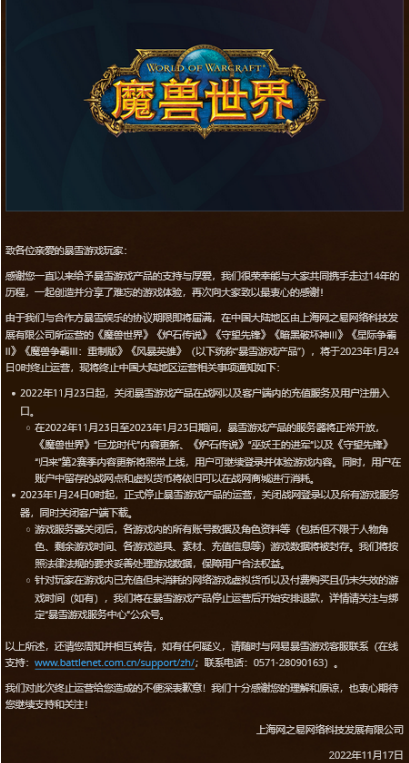
The first step in terminating game services is to provide users with effective notification. According to regulations such as the Interim Measures for the Administration of Online Games (now repealed but still relevant for reference), operators must issue a service termination announcement 60 days in advance.
1. Notification Timing: Players must be notified 60 days in advance, allowing sufficient time to handle matters such as closing top-up services, exchanging user assets, and customer service inquiries.
2. Notice Content: Must include the shutdown timeline (timing for halting top-ups, closing new user registrations, and final server closure), refund/exchange procedures for virtual currency and unexpired services, and customer support contact details.
3. Notification Methods: Employ multi-channel, multi-tiered dissemination covering in-game pop-ups, bulletin boards, official websites, social media, etc., to ensure “substantive reach.”
4. Special Note: If the operator previously made public statements about “long-term operation” but abruptly shuts down within a short period—especially if accompanied by promotional activities—this may be deemed fraudulent or a breach of good faith. Should litigation arise, courts may rule such actions fraudulent or violating the principle of good faith, potentially imposing additional liability (e.g., refunding top-ups made within a specified period). We recommend carefully evaluating public sentiment risks and choosing wording prudently.
 PART 2
Arrangements for Refunds and Exchanges of User Virtual Assets
Service termination often involves disputes over refunds and exchanges for unused virtual currency, unexpired services (e.g., monthly passes, quarterly passes), and certain limited-time item assets.
1. Mandatory Refunds and Exchanges: Unused virtual currency and unexpired game services must be refunded or exchanged. Common scenarios include:
(1) Refund in Legal Currency: Refunds shall be issued in legal currency at the rate applicable at the time of purchase, or through other mutually agreed-upon methods.
(2) Transfer to Other Company Games: Unused virtual currency or Tier 1 items may be transferred to other products or games operated by the company.
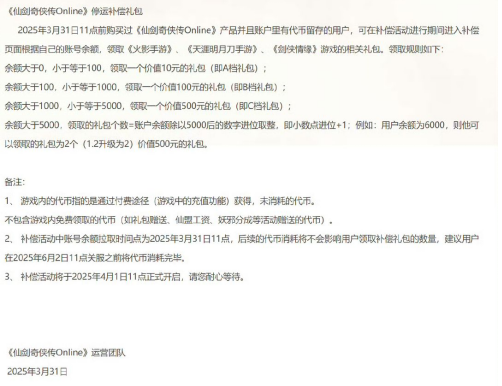
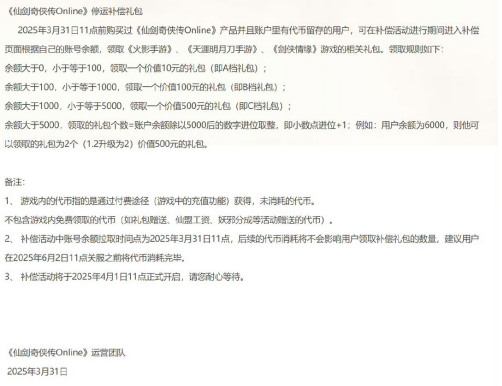
2. Compensation Scheme Design: Offer at least two compensation options to respect player choice and prevent dissatisfaction caused by “one-size-fits-all” compensation packages.
3. Top-Up Closure: Close top-up channels according to the announcement timeline and display pop-up alerts instructing users to cease top-ups to avoid misleading them.
4. Gift Pack Configuration Considerations: If gift packs are used for compensation, tiered designs should be implemented based on factors like top-up amounts and activity levels to prevent unreasonable scenarios where “high-spending users receive identical packs as low-spending users.”
 PART 3
Deletion of Personal Information
Pursuant to the Personal Information Protection Law, when a personal information processor ceases providing products or services, it constitutes a circumstance requiring proactive deletion of personal information.
1. Cease Data Collection: After issuing a service termination notice, close registration channels according to the announced timeline to prevent new data collection.
2. Data Classification and Processing: Following official game service termination, delete or anonymize all collected data.
(1) Information requiring deletion includes registration details, login logs, and gameplay activity data;
(2) Information requiring retention, such as payment records and transaction receipts mandated by compliance requirements, may be stored for a specified period per tax or telecommunications retention regulations;
(3) Certain activity data that cannot be deleted may undergo anonymization.
PART 4
Measures for Preventing Dispute Risks
Although companies can reduce disputes through compliant service suspensions, preemptive strategies must still be established to address user demands regarding refunds for top-ups, item compensation, and data migration.
1. Front-end Customer Service Mechanism: Establish dedicated support channels, FAQ templates, and compensation protocols to enhance issue resolution efficiency.
2. Back-end Evidence Preservation: Maintain comprehensive records of service termination notifications (including in-game/out-of-game announcement screenshots, SMS logs, etc.), data deletion evidence, and refund logs. This forms a complete chain of evidence demonstrating the company's fulfillment of statutory and contractual obligations, preparing for potential litigation or regulatory investigations.
PART 5
Conclusion
The shutdown of a game service is not merely the result of business termination; it also involves multi-dimensional obligations under laws such as the Civil Code, the Personal Information Protection Law, and the Consumer Rights Protection Law. Game companies should proactively implement comprehensive compliance plans for the entire shutdown process, ensuring responsibility is assigned at every stage—from issuing shutdown notices to asset liquidation and dispute resolution.
A dignified shutdown not only demonstrates responsibility to users but also preserves the credibility foundation for future product launches. It is recommended that all game companies establish a compliant exit mechanism covering the entire product lifecycle, using compliance as the baseline to steadily navigate every stage from game launch to shutdown.
 但游戏的“停服”不仅是服务器的技术性关闭,同时是网络服务合同的终止,涉及用户虚拟资产、充值权益、个人信息等多项权利义务处理。因此,草率的停服不仅会激怒玩家,更可能招致监管处罚与法律诉讼。本文提炼核心合规要点,提供游戏停服的合规指引供参考。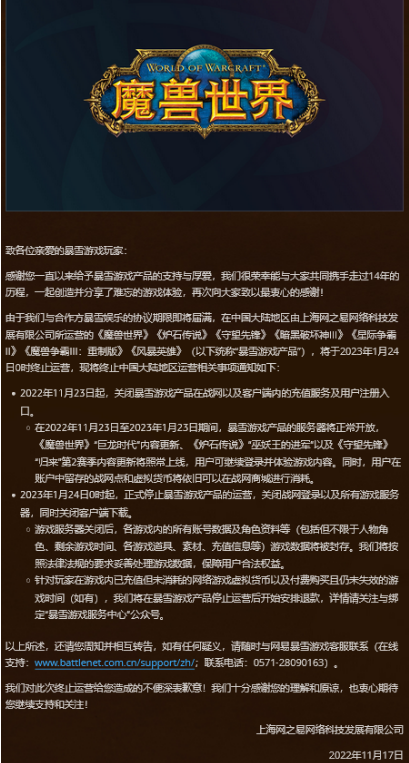
 PART 3