The UK Advertising Standards Authority (ASA) is responsible for ensuring that advertisements appearing in UK media comply with advertising rules. ASA maintains an active enforcement posture. In 2022 alone, ASA handled 33,350 complaints involving 21,955 advertisements. A number of game advertisements have previously been investigated and regulated due to non-compliant disclosures, including ads placed by companies such as EA and Hutch Games.
In March 2025, ASA released a report titled “Sexualisation of Women in In-App Game Advertising.” The report noted that although such advertisements were relatively rare, the content involved constituted serious breaches of advertising rules. Between 2023 and 2024, ASA handled 11 complaints relating to similar advertisements.
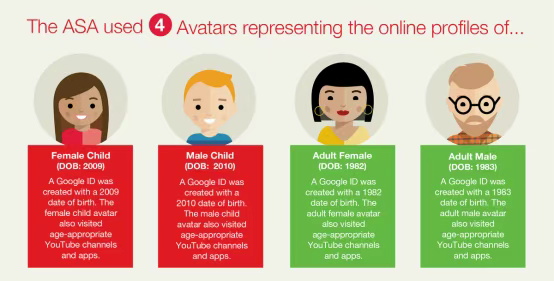
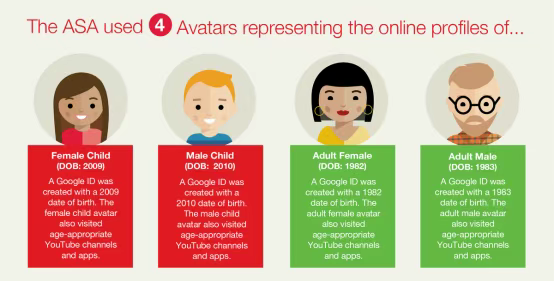
ASA conducted three months of monitoring on 14 game applications and found that non-compliant advertisements primarily involved the following types of content:
Harmful stereotypes portraying women as sexual objects.
Implications of sexual contact without consent.
Use of sexual innuendo.
Case One: Perfect Lie — Sexualised Advertising Placed in a Children’s Game App
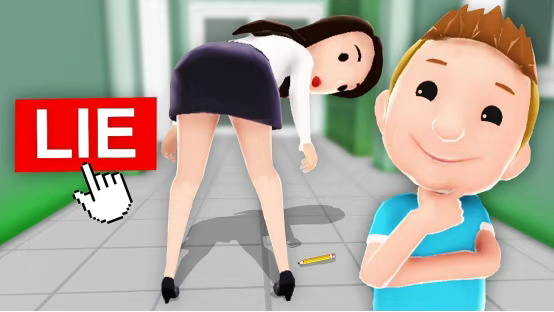
Perfect Lie is a game that tests players’ ability to detect deception, rated PEGI 12. According to its rating information, the game contains sexual innuendo. However, advertisements for Perfect Lie appeared in My Talking Tom 2, a game featuring a virtual cat and rated PEGI 3.
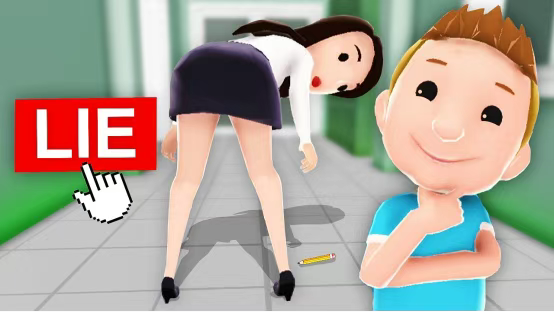
The Perfect Lie advertisement included animated depictions of a student and a female teacher. The teacher approaches the blackboard and bends over, with her buttocks appearing pixelated. Two options are then displayed: “Look away” and “Watch her A**.” The second option is selected, followed by a text bubble stating “Did you just check me out?” The student character appears to be under the age of 18.
ASA determined that the advertisement clearly breached the Code, as the combined depiction and text involving a student and a teacher were likely to cause serious offence and potential harm.
Case Two: My Fantasy — Advertisements Containing Sexual Innuendo
My Fantasy is an interactive romantic story game rated PEGI 16, with rating information indicating the presence of strong violence, sexual nudity, and coarse language.

The My Fantasy app deployed two different advertisements targeted at female and male child avatars, respectively. These ads were placed in the following games:
Traffic Escape, a game involving freeing cars from traffic congestion, rated PEGI 3, which may appeal to a general audience including children and young people. Advertisements for My Fantasy appeared during gameplay.
Lamar – Idle Vlogger, a character simulation game rated PEGI 12 due to moderate violence, which may attract a general audience including older children and young people. Both My Fantasy advertisements were visible in this application.
The first My Fantasy advertisement depicts a woman being approached by another woman and pushed onto a table. The woman on the table moves rhythmically up and down from above, with her clothed breasts prominently emphasized on screen. Text reading “What should I do” appears alongside options “Enjoy it” and “Push her away.” Another woman then appears, moving in the same manner, accompanied by text “What should I do” with options “Stop it!” and “Please, continue……”
Although the content does not include explicit sexual imagery, it is highly suggestive and implies sexual contact that is not consensual. The second advertisement is very similar in content.
For these reasons, ASA concluded that the advertisements clearly breached the Code, as they were likely to cause serious offence, harmful sexual stereotyping of women, and potential harm.
Case Three: Linky: Chat With Characters AI — Advertisements with Suggestive Content
Linky: Chat With Characters AI is rated “Parental Guidance Recommended” on Google Play and “17+” on the Apple App Store. While the application itself contains sexual content, its advertisements were placed in the following two games that may appeal to children.

Although the advertisements for Linky did not contain explicit sexual depictions, they were suggestive in nature, implying violence, coercive control, and non-consensual scenarios.
Case Four: Love Sparks: Dating Sim — Advertisements Depicting Women in an Insulting Manner
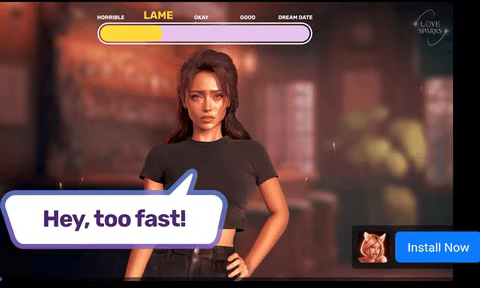
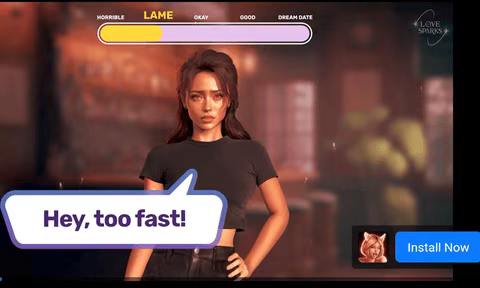
Love Sparks: Dating Sim is a romantic chat and dating simulation application rated PEGI 16, containing nudity and coarse content. The advertisements for this product used sexual innuendo to depict women as stereotypical sexual objects and even included non-consensual scenarios. These advertisements were placed in game products targeting children and young audiences. ASA determined that such content was likely to cause serious offence.
Compliance Guidance Issued by CAP
Based on the above cases, although ASA itself does not possess mandatory enforcement powers, its sister organization, the Committee of Advertising Practice (CAP), issued specific guidance addressing these issues. For advertising materials placed in the UK, overseas game publishers should ensure that advertising content complies with applicable laws and regulations. In particular, publishers should pay attention to the following points:
Prohibit content that encourages domestic violence, sexual assault, physical attacks, sexual acts, portrays women as potential victims of sexual assault, or depicts non-consensual behavior.
Prohibit voyeuristic advertising and sexually suggestive content that objectifies female characters.
Prohibit other forms of advertising content—beyond violence, objectification, and sexualization—that may cause harm or serious offence.
Exercise caution to ensure that any violent imagery (even if reflective of in-game content) is not excessive or graphic; ensure that violence or weapon use is not glamorized or condoned. Avoid depicting weapons pointed directly at or aggressively toward the audience, as such imagery may be perceived as threatening and may cause unnecessary fear or distress.
Game advertising content should reflect the actual product and showcase real gameplay. Where in-game footage is shown, it must be footage from the relevant game. “Cinematic representations” unrelated to actual gameplay are not acceptable.