
Since 2018, the South Korean game company Krafton and NetEase have been embroiled in copyright disputes. In May 2018, PUBG Corporation under Krafton (now known as “PUBG Studio”) filed a lawsuit in the United States against NetEase, alleging that the games Knives Out and Rules of Survival published by NetEase were highly similar to its game PUBG: Battlegrounds, thereby infringing its copyright. In March of the following year, the parties reached a settlement and entered into a confidentiality agreement. However, in 2020, Krafton filed another lawsuit, asserting that NetEase had failed to modify the game content as required under the agreement. The court ultimately ruled that NetEase failed to perform the terms of the settlement agreement, including using assets and elements that were supposed to be modified to promote the games, and ordered NetEase to pay liquidated damages (amount undisclosed). However, the court did not support PUBG’s claim for USD 65 million in damages nor grant injunctive relief.
At this point, the copyright dispute between Krafton and NetEase came to an end.
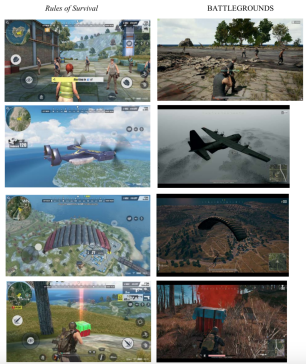
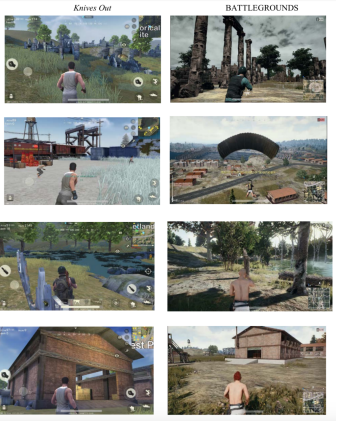
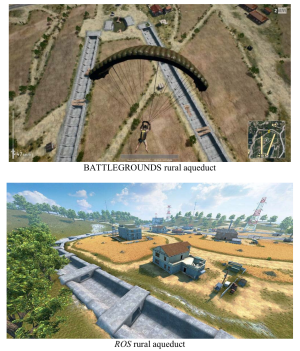
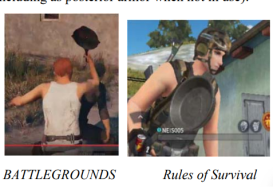
In May 2018, PUBG filed a lawsuit in a California court in the United States against NetEase, alleging that the “feel” (gameplay experience), trade dress, and audiovisual style (including individual and overall elements as well as artistic scenes) of NetEase’s games Knives Out and Rules of Survival were highly similar to its multiplayer online battle game PUBG: Battlegrounds, thereby infringing PUBG’s copyright. In the complaint, PUBG specifically described the features of the game as “copyright-protected audiovisual works, either individually and/or in combination with other elements of PUBG,” and provided comparative images as evidence of infringement. The alleged misconduct in these comparisons included being “clearly inspired” and “nearly identical copies.” PUBG argued that the most obvious infringements in Rules of Survival included the nearly identical “aqueduct” structure on the map, the specific use and depiction of the frying pan as a melee weapon and armor, combinations of weapons, airdrop supply crates, and even nearly identical cheek pads on sniper rifles.
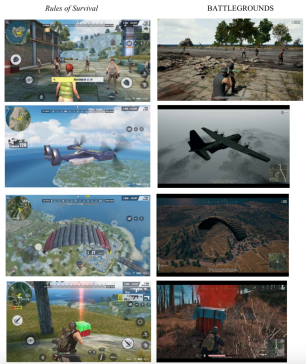 (Comparison images of game elements and artistic scene styles: left column shows Rules of Survival, right column shows PUBG: Battlegrounds)
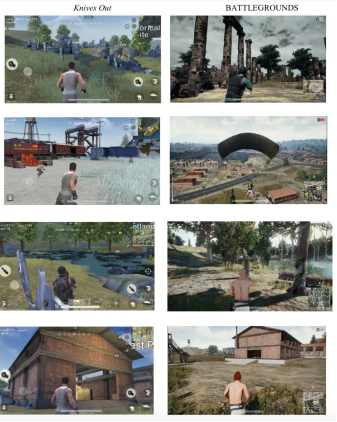 (Comparison images of game elements and artistic scene styles: left column shows Knives Out, right column shows PUBG: Battlegrounds)
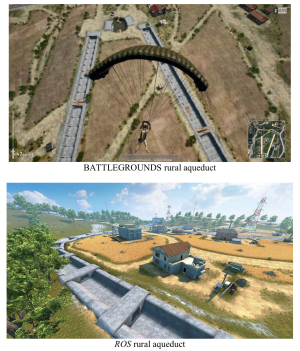 (Comparison of the “aqueduct” structure: top row shows PUBG: Battlegrounds, bottom row shows Rules of Survival)
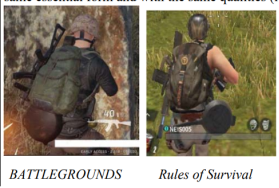
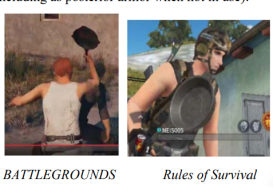 (Comparison of the prop “frying pan” in terms of appearance and functional design: left column shows PUBG: Battlegrounds, right column shows Rules of Survival)
When explaining the grounds for consumer confusion, PUBG pointed out that various advertising campaigns for NetEase’s two games repeatedly referenced the popular slogan from PUBG, “Winner winner, chicken dinner.” The advertising campaign for Rules of Survival even included an image of a two-seat off-road vehicle, a vehicle featured in PUBG but not present in Rules of Survival at the time the advertisement was released. This indicated that NetEase’s advertisements could potentially cause confusion or misidentification among consumers regarding the different games of the two companies.
In its complaint, PUBG requested the court to award damages and sought injunctive relief to prohibit NetEase from continuing to operate the two games. In March 2019, the parties reached a settlement and entered into a confidentiality agreement. However, PUBG later alleged that NetEase violated multiple terms of the settlement and filed another lawsuit, claiming that NetEase had failed to modify certain elements of the games as required, such as buildings, map layouts, and certain in-game items. In 2020, PUBG filed another lawsuit over NetEase’s failure to perform the settlement agreement.
With the growing popularity of the gaming industry, copyright disputes like this highlight the importance of protecting intellectual property and ensuring fair competition in the market. As major participants in the gaming industry, Krafton and NetEase may exercise greater caution in the future to avoid such conflicts and maintain the integrity of their respective games. For game developers, it is essential to emphasize differentiated design in game content. For elements identified as high-risk, game companies should make timely modifications upon receiving complaints to avoid litigation risks.
Case No.: PUBG Corporation and PUBG Santa Monica, Inc. v. NetEase, Inc., NetEase Information Technology Corporation and Hong Kong NetEase Interactive Entertainment Limited, Case 5:19-cv-06615
 (游戏元素及美术场景风格比对图:左列为《终结者2:审判日》,右列为《绝地求生》)
 (游戏元素及美术场景风格比对图:左列为《荒野行动》,右列为《绝地求生》)
 (“渡槽”结构比对图:上列为《绝地求生》,下列为《终结者2:审判日》)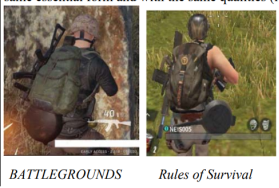
 (道具“平底锅”的外观和功能设计比对图:左列为《绝地求生》,右列为《终结者2:审判日》)