Against the backdrop of a global economic downturn, how to reduce costs and improve efficiency has become a core concern for practitioners in the gaming industry. Compared with continued competition in traditional areas such as product development and advertising-driven user acquisition, an increasing number of mature game companies are shifting their attention to transaction and payment processes that are directly linked to corporate revenue, in an attempt to reduce their reliance on high commissions charged by distribution platforms.
In the first article of this series, we primarily introduced the regulatory requirements imposed by major game distribution platforms on “payment switching” behaviors and official top-up platforms, as well as the trend of Apple and Google gradually loosening restrictions on app sideloading and third-party payment access within their ecosystems under the broader context of global antitrust enforcement and platform regulation. In this article, we focus on practical cases of overseas game companies establishing official top-up platforms, and, by referencing actual platform operation practices, provide corresponding compliance-related observations.
At present, major game companies worldwide are gradually launching their own official website top-up channels. Below, we briefly introduce the official website top-up solutions adopted by several overseas-oriented games.
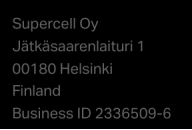
Supercell
(1) Basic information: Top-ups are completed after logging in with a Supercell ID.
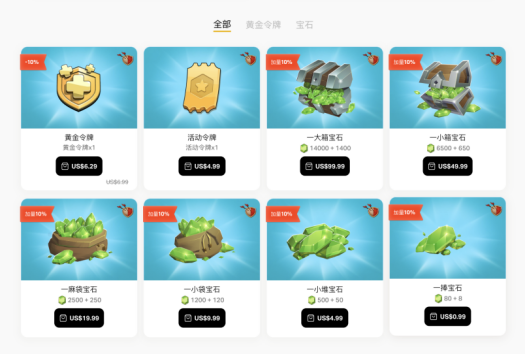
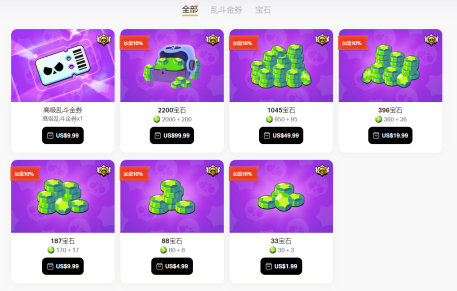
(2) Purchase content: Limited to gems (in-game virtual currency) and game tokens (battle passes).
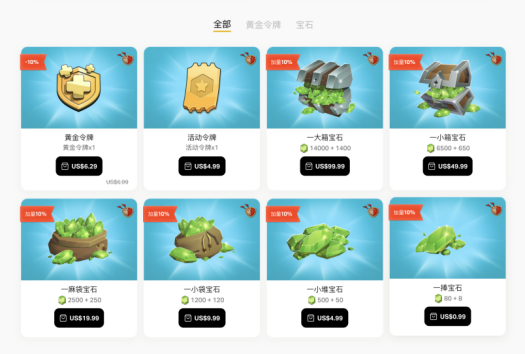
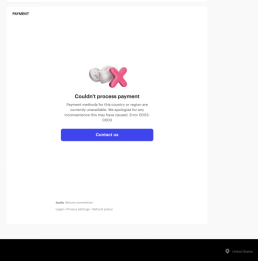
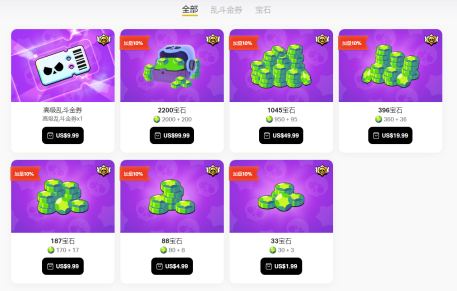 (3) Available regions: Multiple European markets, the United Kingdom, Japan, and South Korea. The United States and Mainland China, Hong Kong, Macao, and Taiwan regions are not fully supported.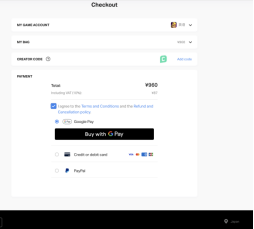
(4) Qualification disclosure: The company’s registration number and operating entity are publicly disclosed.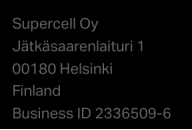
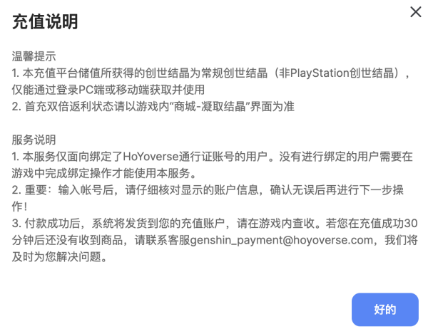
Genshin Impact (miHoYo)
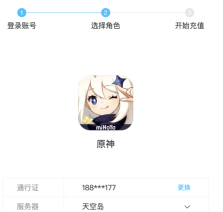
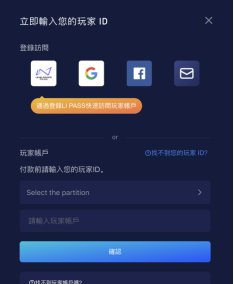
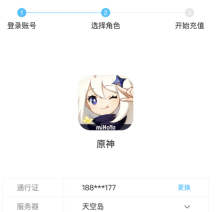
(1) Basic information: Only available to users who have bound a miHoYo Pass account.
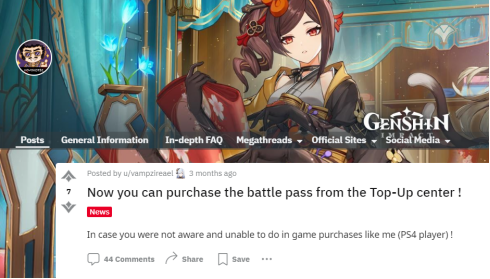
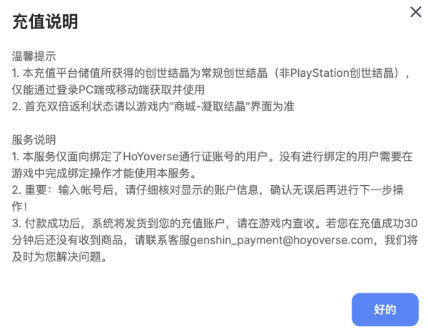 (2) Purchase content: Limited to Blessing of the Welkin Moon and Genesis Crystals and other in-game virtual currencies.
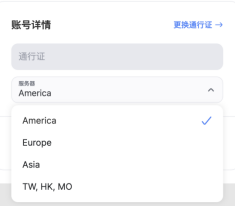
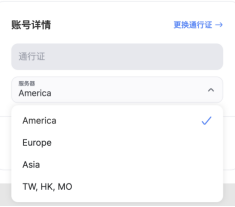
(3) Available regions: North America, Europe, Asia, Hong Kong, Macao, Taiwan, and Mainland China servers.
 (4) Qualification disclosure:
Mainland China: Public security network security filing, value-added telecommunications business operating license, ICP filing, etc.
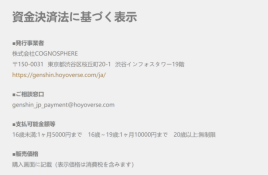
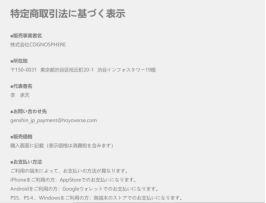
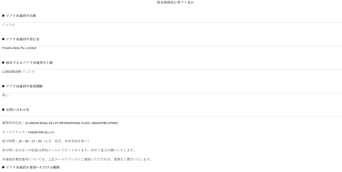
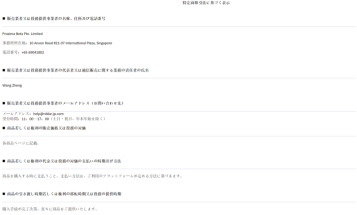
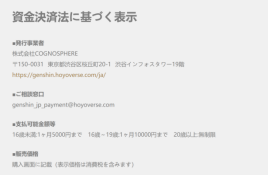
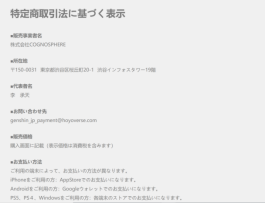
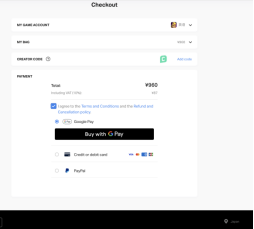
 Japan: The top-up page discloses information such as “fund settlement information” and disclosures required under the Act on Specified Commercial Transactions.
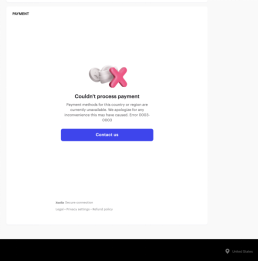
 United States, Hong Kong, Macao, Taiwan, Vietnam, and other regions: No qualification information displayed.
Goddess of Victory: NIKKE (SHIFT UP)
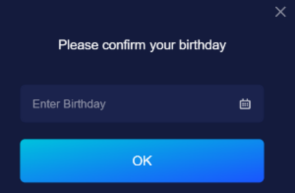
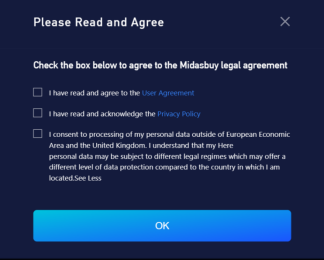
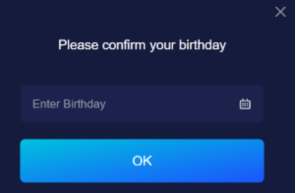
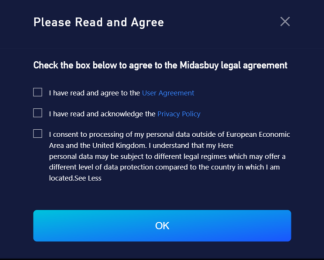
(1) Basic information: Purchases are made by directly logging in with the player ID. The payment page requires users to enter their date of birth for confirmation and obtain consent regarding the user agreement, privacy policy, and data transmission.
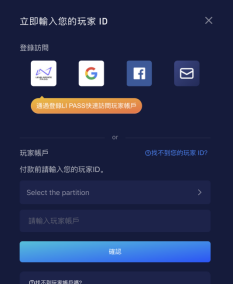
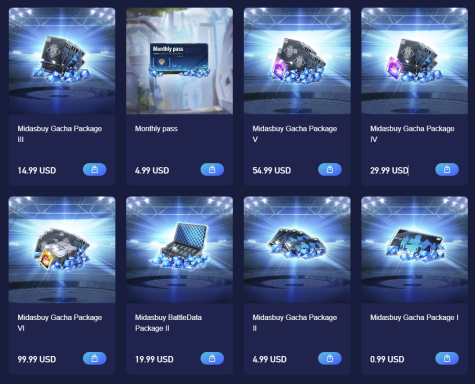
 (2) Purchase content: Limited to gems, character draw tickets, in-game tokens, and monthly passes.
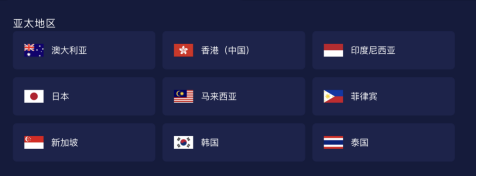
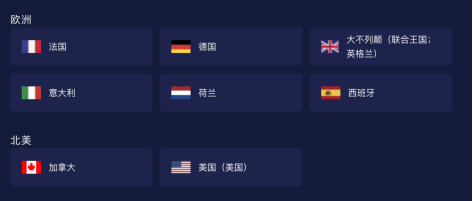
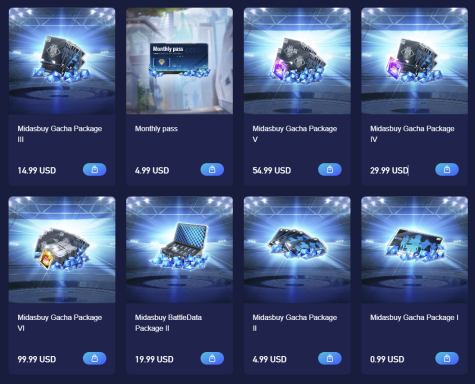 (3) Available regions:
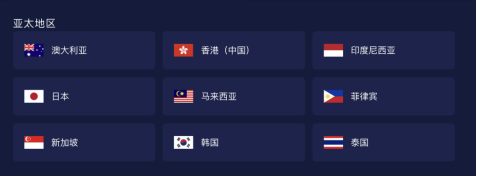
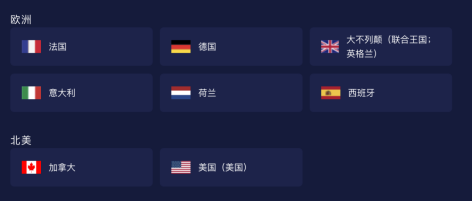
(4) Qualification disclosure:
Japan: Information required to be disclosed under “fund settlement information” and the Act on Specified Commercial Transactions is displayed on the game’s official website interface, but not on the top-up page.
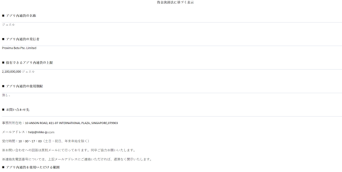
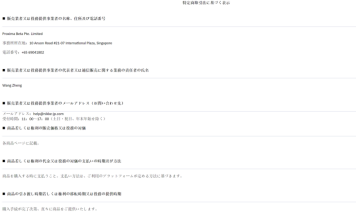 Other regions: No qualification information displayed.
Garena Official Top-Up Center
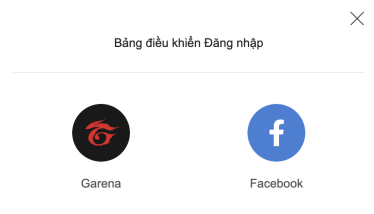
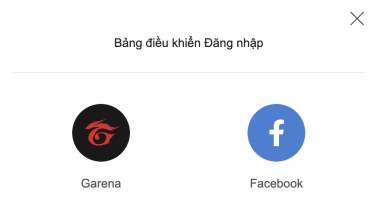
(1) Basic information: Limited to Garena accounts and Facebook accounts.
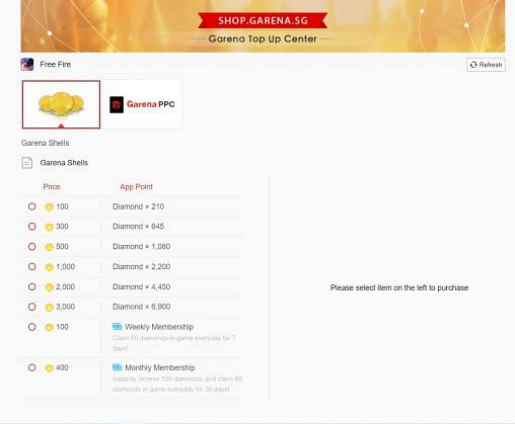
 (2) Purchase content: Purchase Garena Shells, which can be converted into in-game currency in corresponding games.
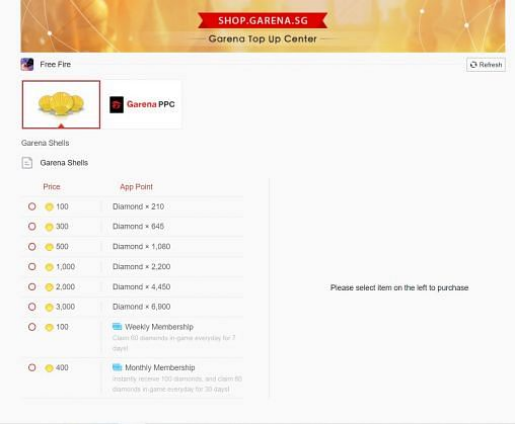 (3) Available regions: Hong Kong, Macao, Taiwan, and Southeast Asia.
(4) Qualification disclosure:
Taiwan: Company registration information, such as company name and registration number.
 Vietnam: Company registration information, including company name, business registration certificate number, contact address, and contact details.

Based on the current policies of distribution platforms, industry practices, and relevant laws and regulations, we consider it practically feasible for overseas-oriented games to implement official website payment functions. When building an official website payment system, overseas game companies should pay particular attention to the following compliance matters:
1. Game users should be required to log in to the official website platform using accounts established by the game company to complete top-ups.
Game companies should strengthen the independence of their account systems by establishing proprietary game account systems and providing in-game progress synchronization or binding functions. On the official website top-up page, players should be required to log in using proprietary game accounts or third-party social media accounts to form a strong binding relationship with the game company. At the same time, the use of Apple or Google platform accounts as login methods for the top-up platform should be avoided as much as possible (regardless of whether such platform accounts are bound to game progress), in order to prevent distribution platforms from taking coercive measures on the grounds of network security risks or violations of platform policies, and to better retain and control user data.
2. Compliance obligations in price display for official website top-up items.
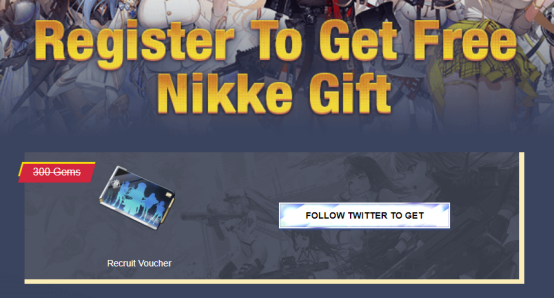
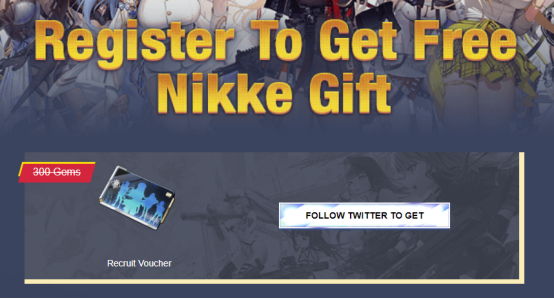
To attract players to recharge directly on the official website platform, game companies typically offer rebates or discounts of 5% to 10% on relevant purchase items. Companies should ensure that top-up prices are clearly displayed and that the virtual items included in the purchase are clearly disclosed, to avoid complaints arising from false or misleading promotions. In addition, where the same top-up options and purchase items are available both through in-game purchases and the official website platform, price consistency should be maintained. Where the official website platform offers registration rewards, follow rewards, limited purchase items, or limited rewards, the value of such items should be clearly disclosed to avoid excessive discrepancies compared with in-game items of the same tier.

3. Avoid embedding traffic-directing links within the game.
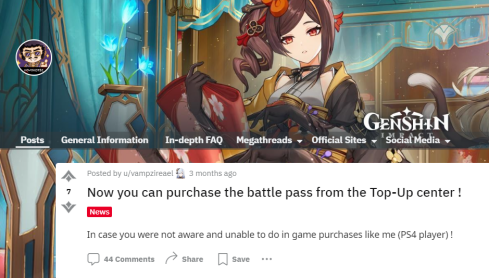
Although Apple and Google have gradually opened up third-party payment channels in certain regions, various restrictions still apply. Therefore, it is not advisable to take an overly aggressive approach by directly “switching payments” within the game or by promoting the official website top-up platform through soft in-game guidance. Information related to the official website top-up platform should instead be promoted through social media, community channels, game forums, press releases, off-game advertising placements, and KOL promotions.
4. Refund design should comply with refund policies in different jurisdictions.
After launching an official website top-up platform, game companies will inevitably need to directly handle user complaints related to refunds and abnormal top-ups, and should allocate appropriate operational personnel for management. In designing refund policies, companies must also consider the relevant laws of different countries and regions to determine applicable refund scenarios. Some consumer refund regulations are summarized below:
In South Korea, game players are granted a right to a no-questions-asked refund within seven days, and game companies are generally not allowed to exclude users’ refund rights in advance. For refunds involving minors, game companies may require necessary documents such as proof of family relationship, user confirmation forms, and payment records, and issue refunds after verification.
EU law grants consumers a 14-day right of withdrawal, though exemptions apply to instantly delivered virtual items or subscription services. There is no mandatory legal requirement that all top-ups by minors must be refunded; the validity of contracts entered into by minors depends on the laws of individual EU member states.
Under U.S. federal and state laws, refunds are generally not mandatory unless the product is defective (e.g., software is unusable or services are not provided) or the merchant is in breach. Most U.S. states provide that minors under the age of 18 lack full contractual capacity, and contracts entered into by minors may therefore be voidable or invalid.
 日本地区支付界面
 美国地区支付界面