In 2025, China’s game industry experienced profound changes alongside the explosive growth of artificial intelligence technologies and intensified market reshuffling. At the same time, regulatory approaches and judicial reasoning governing the industry also underwent notable evolution.
From the shift in legal protection pathways for game mechanics—from copyright law to anti-unfair competition law, to the extensive application of punitive damages in the crackdown on game-related black and grey industries; from the “strict civil but restrained criminal” judicial stance on game license governance, to the criminal enforcement against blind box mechanisms involving gambling risks, judicial authorities have sought—through a series of landmark judgments and cases included in official case databases—to recalibrate the dynamic balance between encouraging commercial innovation and safeguarding public interests.
This article revisits the key legal events that shaped the game industry in 2025 through five keywords, capturing the signals embedded in these evolving trends.
Game Reskinning and Plagiarism:
Anti-Unfair Competition Law Becomes the Mainstream Approach
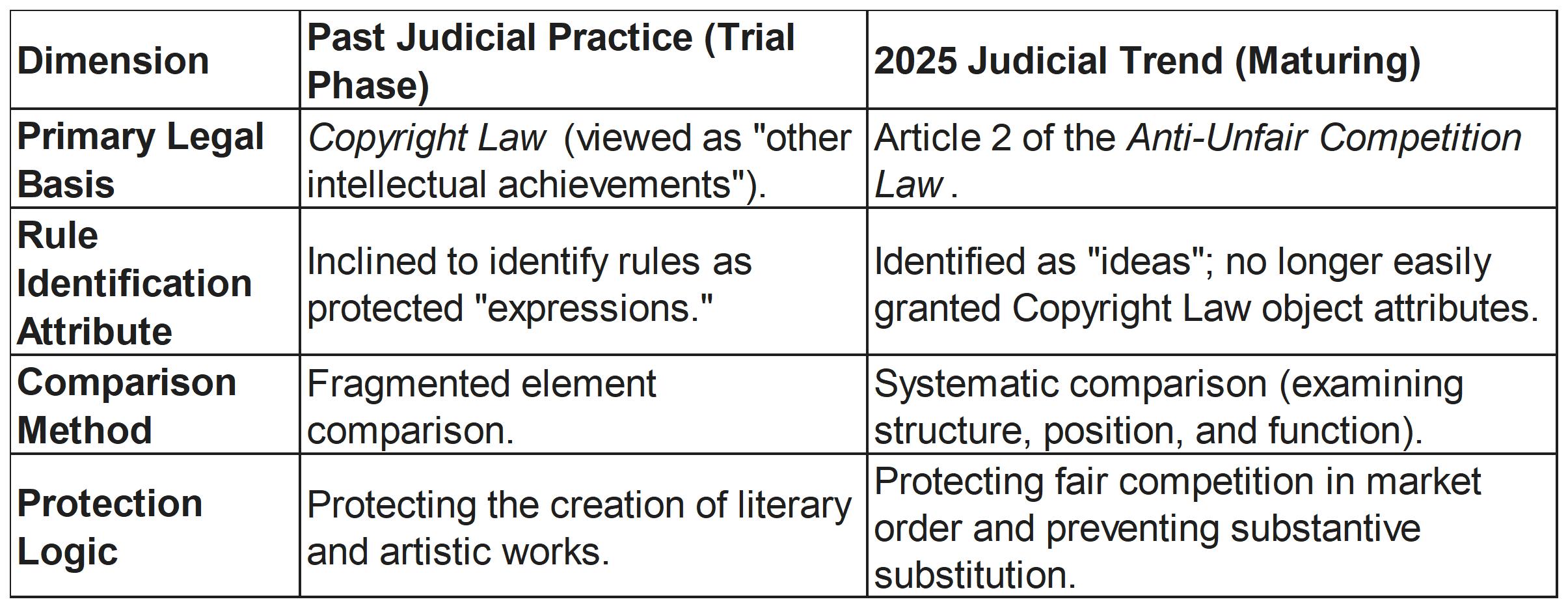
In 2025, China’s judicial logic concerning “reskinning” infringement in the game industry underwent a significant shift. In prior years, courts had attempted to bring game rules within the scope of copyright protection by invoking the residual category of “other intellectual achievements.” However, multiple high-level court decisions in 2025 demonstrated that simply recognizing game rules as copyrightable subject matter may conflict with the foundational principle that copyright law protects expression rather than ideas.
Judicial authorities have increasingly re-examined the boundaries of copyright law and shown a clear tendency to assess reskinning conduct holistically under the Anti-Unfair Competition Law. Moreover, whether a game’s runtime visuals constitute an audiovisual work has become closely tied to the game’s genre. Strategy simulation games (SLG), in particular, have emerged as the most challenging category in this context.
1. Denial of Game Rules as Copyrightable Subject Matter
Courts are no longer inclined to readily classify concretized gameplay designs as protected expressions under copyright law.
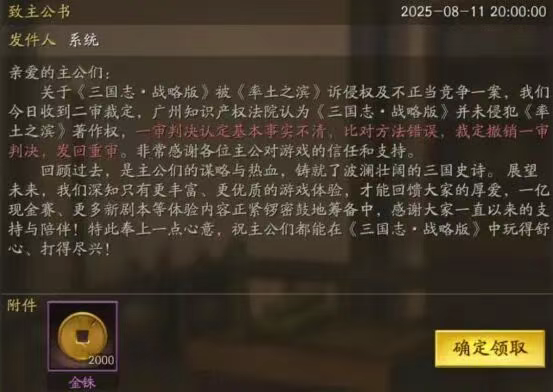
In the Infinite Borders v. Three Kingdoms Tactics case, the Guangzhou Intellectual Property Court, on second instance, corrected the first-instance finding that game rules constituted “other intellectual achievements” with characteristics of a work. The court explicitly held that when conducting substantial similarity analysis, a systematic comparison approach should be adopted—examining the proportion, position, and function of the disputed rules within the overall structure—rather than isolating individual elements. The case has since been remanded for retrial.
In the Rise of Kingdoms v. Commander case, the Guangdong High People’s Court upheld a damages award of RMB 10.5 million, but completely reversed the legal basis—from copyright infringement to unfair competition. The court clarified that elements such as troop types, buildings, commanders, system structures, and numerical planning constitute gameplay mechanism design, which does not fall within the scope of copyright-protected expression.
2. Stricter Standards for Audiovisual Works in Certain Game Genres
In Infinite Borders v. Qianjun Ji, the Guangzhou Intellectual Property Court overturned the first-instance finding of copyright infringement. The court held that SLG games primarily progress through non-continuous static operational screens, lacking the cinematographic camera movement and narrative expression required for audiovisual works. Accordingly, such games do not constitute works analogous to cinematographic works (i.e., audiovisual works).
However, the court also found that the defendant’s copying of the plaintiff’s textual content, gameplay design, interface layout, and numerical systems exceeded the boundaries of reasonable reference and resulted in a substantive substitution of the plaintiff’s commercial intellectual achievements. The defendant was therefore ordered, under the Anti-Unfair Competition Law, to pay RMB 4 million in damages.
Decisive Crackdown on Black and Grey Industries:
Private Servers, Cheats, Leaks, and Defamation
In 2025, China’s game industry achieved repeated successes in combating black and grey industries. Tencent Games employed both technical and judicial measures to severely crack down on cheats, data unpacking leaks, and commercial defamation. NetEase made breakthroughs in private server governance across civil–criminal intersections. miHoYo launched targeted legal actions against account rental and resale, cheating-based gold farming, and malicious online defamation.
Major game companies not only achieved precise targeting of infringing conduct, but also established leading precedents on damage calculation bases and the application of punitive damages.
1. Private Servers and Cheats:
Criminal Judgments as a Basis for Punitive Civil Damages
In the Fantasy Westward Journey private server case, the defendants had previously been sentenced for the crime of copyright infringement. The game operator subsequently initiated a civil action, and the court applied double punitive damages based on the illegal gains confirmed in the criminal judgment, awarding over RMB 1.52 million, achieving what is colloquially described as “success on both criminal and civil fronts.”
2. Leak Suppression:
Unreleased Game Content Recognized as Trade Secrets
In the PUBG skin leak case, the defendant illegally obtained unreleased skin designs via reverse engineering and disseminated them across multiple platforms. The court held that unreleased skins constituted trade secrets, that the disclosure constituted unfair competition, and fully supported the claim for punitive damages—demonstrating strong judicial disapproval of leaks.
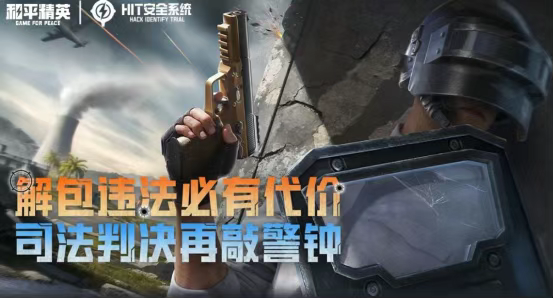
Shanghai subsequently issued China’s first Guidelines on Trade Secret Management for Online Game Enterprises, systematically defining the scope of trade secrets specific to game companies, covering unreleased character names, skill effects, animations, development technologies, core design documents, source code, and version control materials.
3. Account Rental and Resale:
Escalation from Civil to Criminal Enforcement
In NetEase v. an account rental platform, the court emphasized that real-name registration is fundamental to cybersecurity governance and public interest protection. By exacerbating the separation between account registrants and actual users, rental platforms disrupted market order and constituted unfair competition, resulting in RMB 5 million in damages.
In miHoYo’s action against mass registration of “starter accounts,” defendants illegally obtained tens of millions of citizens’ personal information to register accounts, used cheats to farm resources, and resold them at high prices. Courts held that such conduct constituted the crime of infringing citizens’ personal information, sentencing multiple principal offenders to imprisonment and fines.

4. Defamation and Rumor-Mongering:
Clarifying the Boundary of Consumer Criticism**
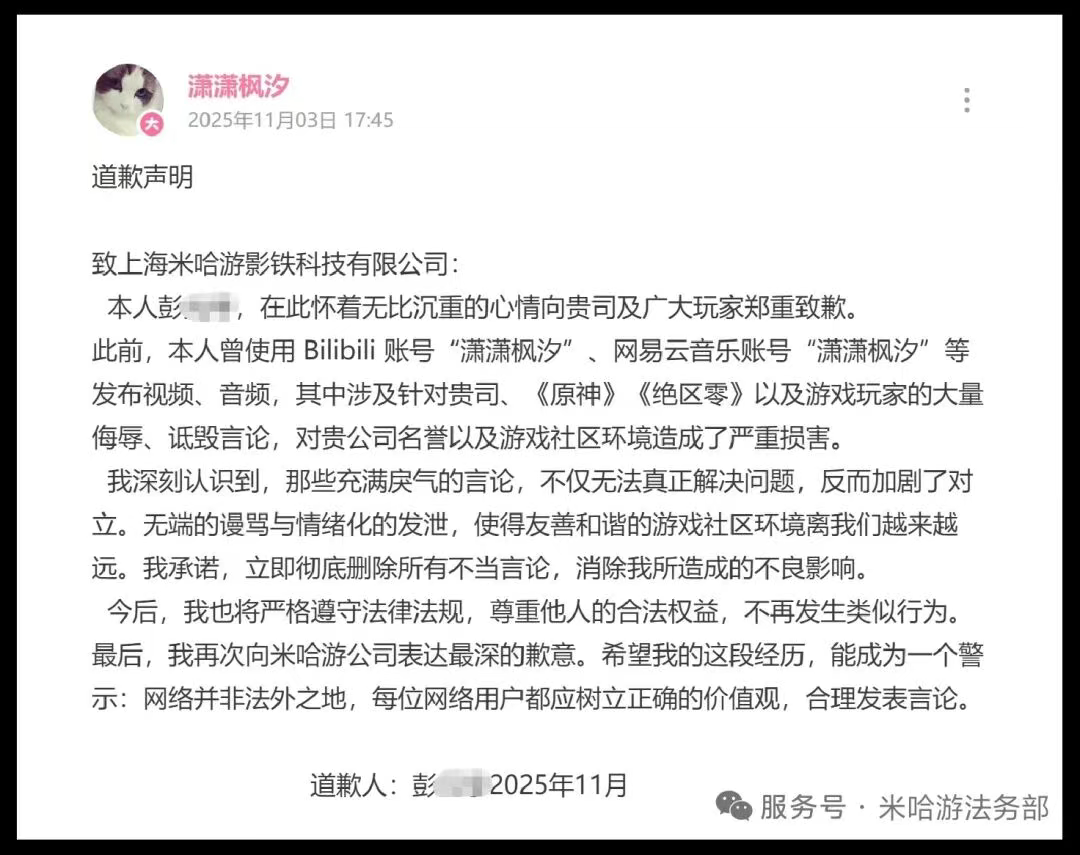
In the case involving blogger Xiaoxiaofengxi, the court held that persistent insults and defamatory content targeting miHoYo and Genshin Impact players exceeded the scope of legitimate consumer criticism, constituted malicious defamation, and ordered deletion, public apology, and RMB 110,000 in damages—reaffirming the boundary between criticism and reputational infringement.
Game Licenses:
A Dual Shift Between Civil and Criminal Law
2025 marked a record year for game licenses, with 1,771 licenses issued, the highest in five years.
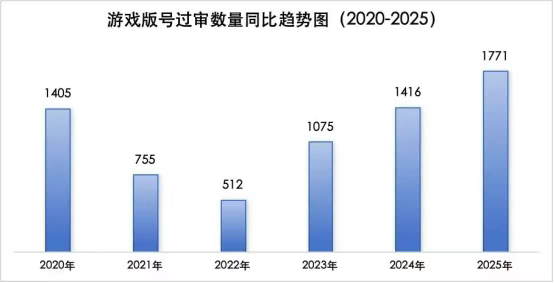
Against a backdrop of relaxed market entry, courts clarified the boundaries of license governance: strict denial of license leasing in civil law, paired with high restraint in criminal enforcement—signaling a return to an administrative-regulation-led framework.
1. Civil Law:
License Leasing Deemed Invalid
Courts held that arrangements whereby one company provides game content and another provides a license, without correspondence between the two, violate mandatory approval requirements. Any improper gains from such invalid contracts must be handled by administrative authorities rather than distributed between parties.

2. Criminal Law:
Cautious Demarcation Between Crime and Administrative Violation

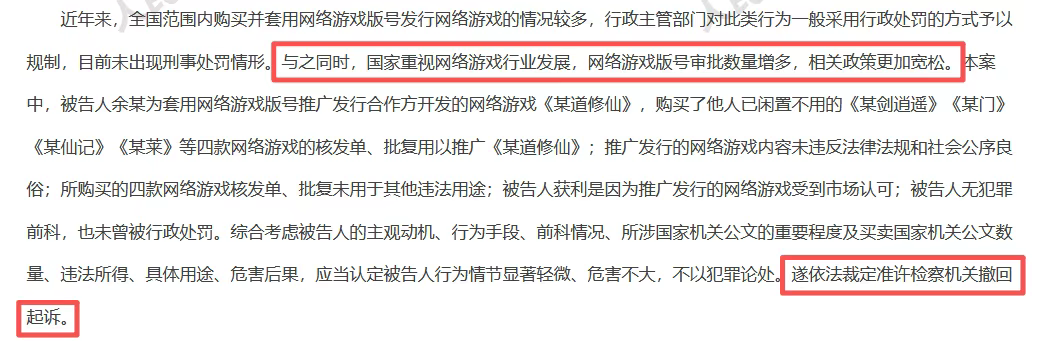
In a case involving the reuse of licenses across four games with revenues reaching RMB 480 million, the first-instance court convicted the defendant of illegally trading official documents. However, during the second instance, the prosecution withdrew charges on the grounds that the conduct was minor and not criminal, and the court approved the withdrawal—reflecting policy-level restraint against over-criminalization.
Blind Box Mechanics:
The Tension Between Innovation and Gambling Red Lines
In 2025, the blind box economy surged in popularity, with physical blind boxes like “Labubu” becoming global sensations. However, cases related to blind boxes also surged simultaneously, persisting throughout the entire year. As the blind box economy continued to heat up, the derivative issue of “gambling-related mechanisms” became a major focus for judicial oversight. A major gaming company's 2025 gambling-related conviction also served as a wake-up call for the industry. While random card-drawing mechanics are a common business model, combining them with the monetization of game accounts or items can create gambling risks. Reviewing typical cases from the past year reveals that judicial authorities have shifted their logic for determining gambling risks in blind boxes from a simple “presence of monetization” to a deeper examination of the “substance of the business logic.”
1. In multiple cases during the first half of 2025, criminals exploited blind boxes as cover to establish fully integrated gambling platforms featuring recharge, lottery draws, and cash-out functions—the most severely targeted area currently.
Police in Anfu, Zhuzhou, and other locations have cracked down on gambling operations using “blind box mini-programs” and “live-streamed spinning wheels” as platforms. These cases share common traits: operators incorporate random gameplay into apps or mini-programs to lure players into recharging funds and gambling small amounts for big wins. Crucially, platforms either built-in “exchange shops” or offered “reward repurchase” services through live stream hosts, directly converting virtual prizes into cash while deducting fees. Such practices—involving explicit betting, random chance, and cash payouts—have been classified by judicial authorities as “casinos disguised as blind boxes.”

2. Judicial authorities have adopted a new ruling perspective when handling blind box cases involving high-premium, highly liquid commodities such as “sports star cards”: even if operators do not directly offer buyback guarantees, the high value of the goods themselves significantly elevates gambling risks. When combined with specific prize-winning sales mechanisms, such practices may be directly classified as operating gambling establishments.
Defendants Hu XX and others organized players to place orders in live-streaming rooms, manipulating lottery outcomes through methods like repackaging. Prosecutors argued that due to the cards' exceptional secondary market liquidity and premium potential, they possess “quasi-monetary” attributes and qualify as ‘property’ in gambling contexts. They further clarified that even if operators attempt to “disguise” buyback processes through third-party card dealers, this does not alter the substantive determination of their speculative intent.
In Jiang's organized livestream activities, two models existed: “blind opening of trading cards” and “selling low-priced card codes.” The court directly classified both models as gambling in its ruling: even though defense counsel argued that players in some models did not request cash redemption, the defendants' distribution of autographed cards or high-value coupons to players still met the substantive characteristics of gambling. This ruling reflects increasingly stringent judicial standards for sports card lottery models, indicating that prize-based sales remain highly risky.
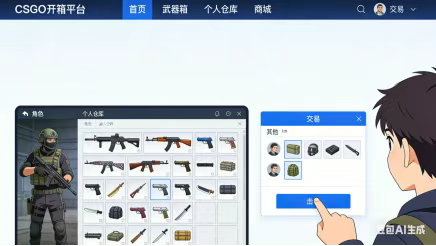
3. The CSGO loot box case was included in the People's Court Case Database, clarifying the judicial approach to regulating third-party game item loot box websites. The key distinction between classifying such activities as “blind box operations” or “operating a gambling establishment” lies in examining whether the disparity in item values, redemption mechanisms, and profit models deviate from normal commercial practices.
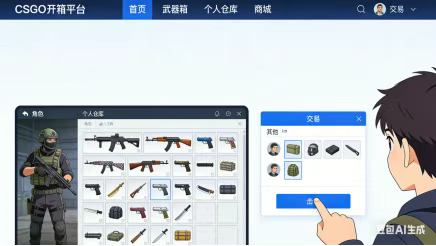 The defendant operated a website that allowed players to top up their accounts with virtual currency (Blue Diamonds) to open blind boxes. The platform featured “Battle Box Matching” (where the player receiving items of higher or lower value, depending on the mode settings, wins and claims all game items on the field) and an “Item Buyback” function. The court determined that these actions constituted the crime of operating a gambling establishment for the following reasons: (1) The price disparity between blind box items and identical non-blind box versions was excessive; (2) The reverse redemption feature for game items enabled players to either repeatedly draw blind boxes or trade them for cash.
Artificial Intelligence:
Regulation, Creation, and Competition
2025 marked a year of rapid advancement in AI technology, with multiple leading games introducing AI companion features. However, by year's end, regulators issued a “preview assignment” in the form of the “Interim Measures for the Administration of Anthropomorphic AI Interactive Services (Draft for Comment),” which outlined detailed requirements for AI companion functions. The first “AI prompt” case provided reassurance to game companies utilizing AI for art asset creation. The emergence of Doubao Mobile sparked awe and anxiety across industries—AI could now analyze game scene layers, track CD timing, and even perform certain player actions, potentially bridging the gap between cyberspace and reality.
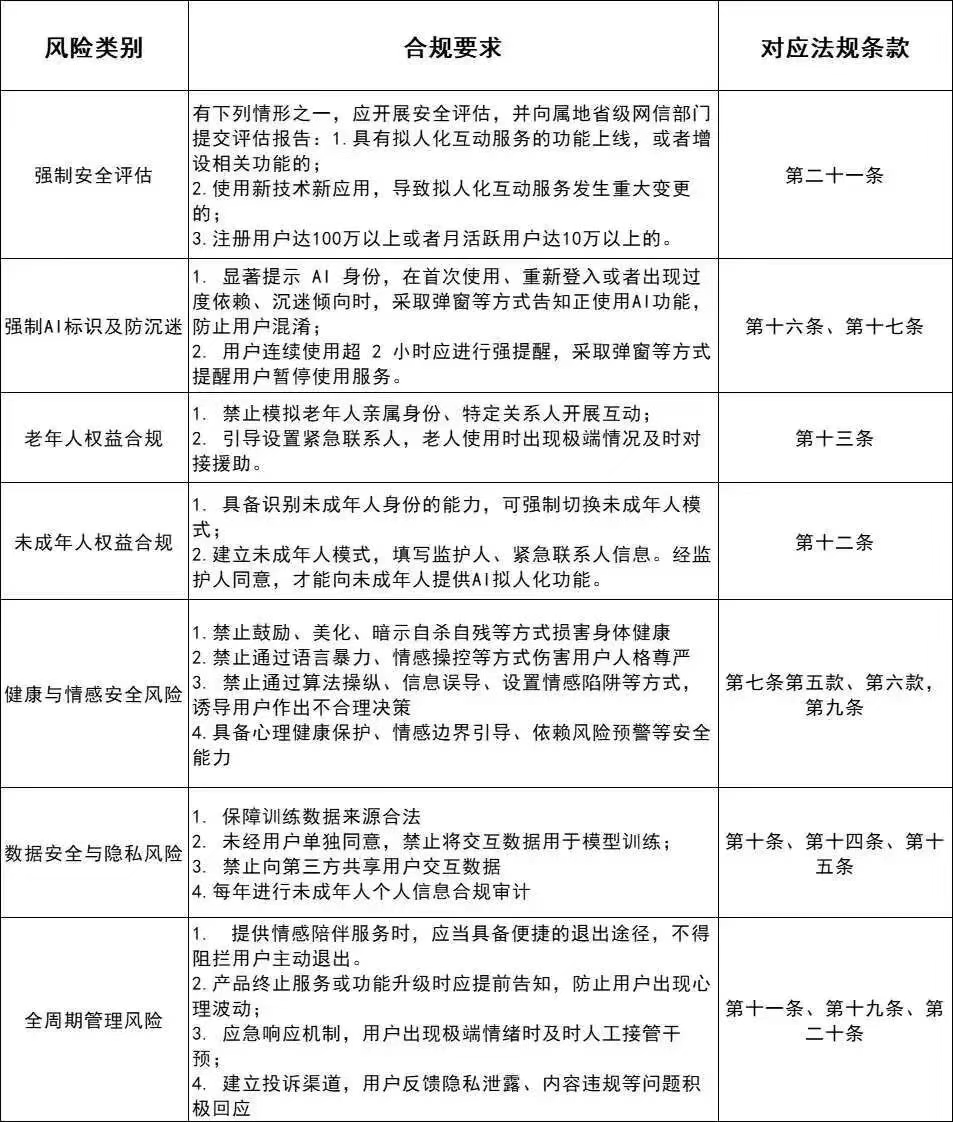
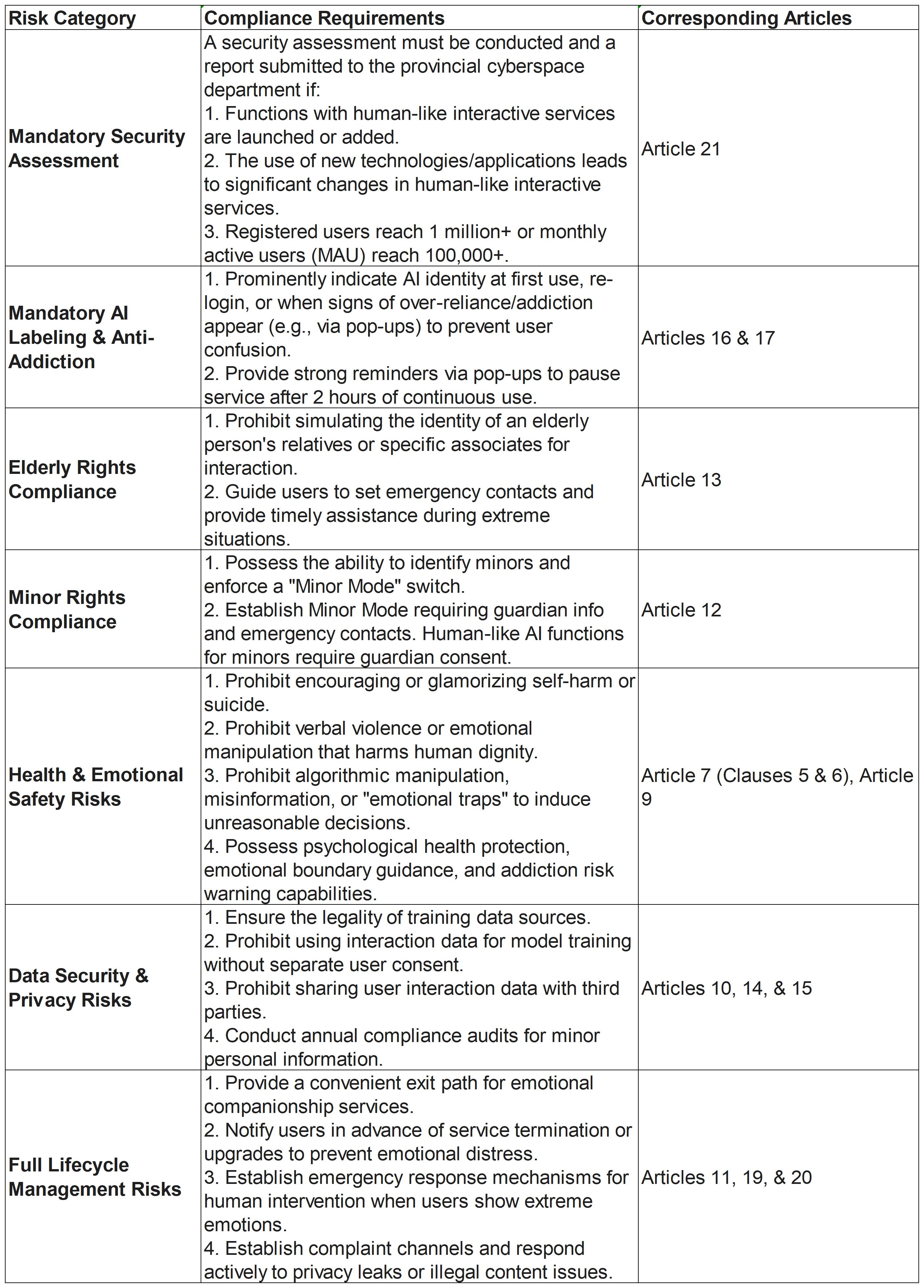
1. New Regulations for AI Companion Services: The 2025 Interim Measures for the Management of Anthropomorphic AI Interactive Services (Draft for Comment) established detailed safety standards for products simulating human personality, cognition, and emotional interaction for the first time. The specific compliance checklist is shown in the figure below:
 2. Legal Characterization of Prompts: The pursuit of precise and concise expression in AI prompts makes them unlikely to qualify as literary works under copyright law. Game companies face lower infringement risks when using publicly available AI prompts to generate art assets.
In the first AIGC prompt case, the court ruled that prompts lack an author's distinctive characteristics, fail to embody aesthetic perspectives or artistic judgments, and merely represent abstract creative ideas and sets of instructions. Their core function involves listing and describing visual elements, artistic styles, presentation formats, etc. Such content primarily constitutes abstract creative concepts falling within the realm of ideas, which are not protected under copyright law. Consequently, all of the plaintiff's claims were dismissed.
3. With the emergence of AI agents like “Doubao Mobile Assistant” possessing visual recognition and simulated click capabilities, game companies face comprehensive challenges ranging from “player engagement metrics” to “competitive fairness.” Potential disruptive scenarios include:
AI-automated check-ins and dungeon farming, which could undermine game rules designed around engagement metrics.
In MOBA (Multiplayer Online Battle Arena) games, AI analyzes screen footage in real-time to automatically track and alert players about red/blue buff locations and cooldowns for critical enemy abilities (e.g., Flash, ultimate skills). In shooters, it automatically marks enemy positions on-screen. In card games, it enables automatic card tracking and calculation—functioning similarly to traditional cheats.

Just four days after the release of Doubao Mobile Assistant, the official statement “Notice on Adjusting AI Capabilities for Mobile Gaming” was issued, specifically restricting its use in game scenarios involving “score boosting, incentive farming,” and “competitive rankings.” This move serves as clear evidence that the impact of AI agents on gaming fairness and business models is no longer theoretical speculation but an imminent, tangible threat.
Outlook: Legal Developments in the Game Industry Going Forward
Looking ahead, the legal environment faced by the game industry is expected to remain complex and dynamic.
1. On the one hand, disputes arising from consumer rights protection and public opinion governance are likely to continue increasing, particularly as player awareness of rights grows and platforms face heightened scrutiny in areas such as refunds, account bans, probability disclosures, and content moderation. Such disputes may increasingly spill over from contractual disagreements into reputation-related and compliance-oriented litigation.
2. At the same time, artificial intelligence tools are expected to be more deeply integrated into both game development and internal compliance workflows. While AI-assisted creation may help improve efficiency and reduce costs, it will also raise new compliance questions relating to data sources, training legality, content responsibility, and fair competition. The interaction between emerging AI regulations and existing game compliance frameworks will remain an important area of observation.
3. Cases involving gambling-related risks are also likely to remain at a high level. Whether in the form of blind box mechanisms, card-drawing systems, or other probability-based monetization models, judicial and regulatory authorities are expected to continue applying substance-over-form analysis, focusing on business logic, liquidity pathways, and profit structures when assessing legality.
4. Meanwhile, the crackdown on black and grey industries surrounding games—including private servers, cheats, account trading, data leaks, and commercial defamation—is expected to continue with high intensity. Civil, administrative, and criminal enforcement tools may increasingly be used in combination, further raising the cost of illegal conduct and compressing the survival space of peripheral illegal markets.
5. In addition, as Chinese game companies expand further overseas, cross-border disputes and overseas litigation risks are expected to rise correspondingly. Issues such as intellectual property protection, content regulation, data compliance, and platform governance in foreign jurisdictions will pose new challenges for legal and compliance teams.
Overall, the legal developments observed in 2025 suggest that the game industry is entering a phase characterized by refined regulation, differentiated judicial reasoning, and heightened compliance expectations, requiring companies to adopt more forward-looking and systematic legal risk management strategies.
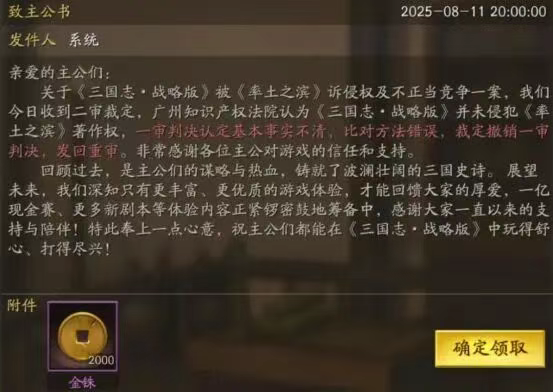 《万国觉醒》诉《指挥官》一案中,广东高院二审认定维持了1050万元的高额判赔,但是判赔依据完全反转,从原来的著作权侵权更正为不正当竞争保护,同时该法院裁判观点明确,诸如兵种、建筑、统帅等的游戏结构、系统体系及数值策划属于玩法机制设计,不属于著作权法保护的表达。
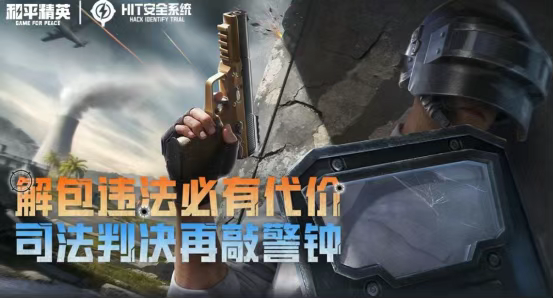 (图片源自“和平精英”微信公众号)
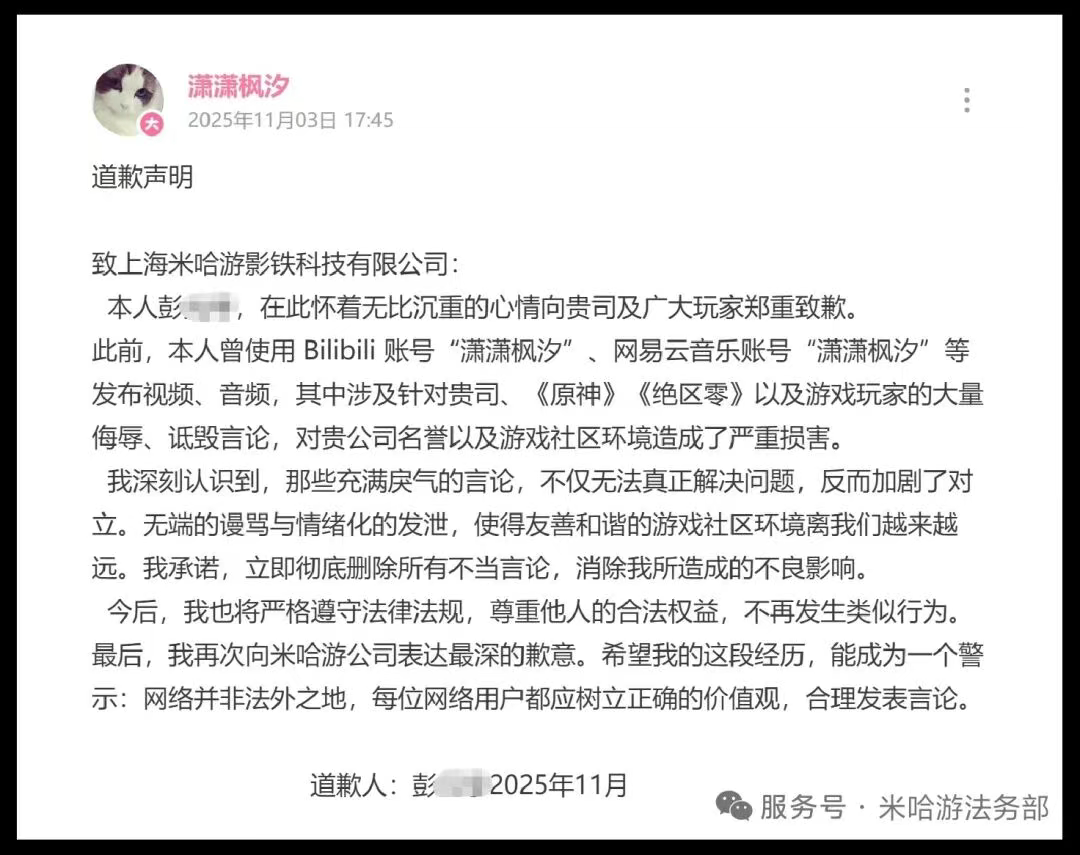 (图片源自“米哈游法务部”微信公众号)
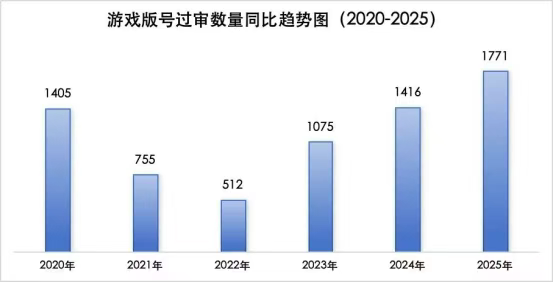 (图片源自“游戏陀螺”微信公众号)

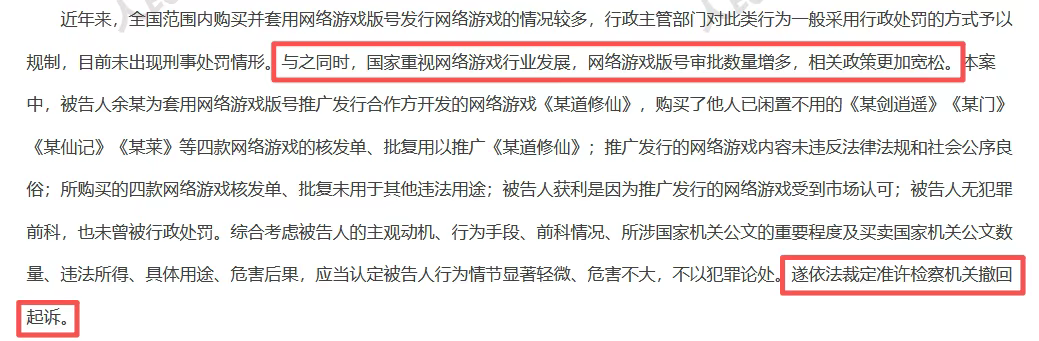 (图片源自人民法院案例库,编号:2025-18-1-237-001)
 (图片源自“公安部网安局”微信公众号)