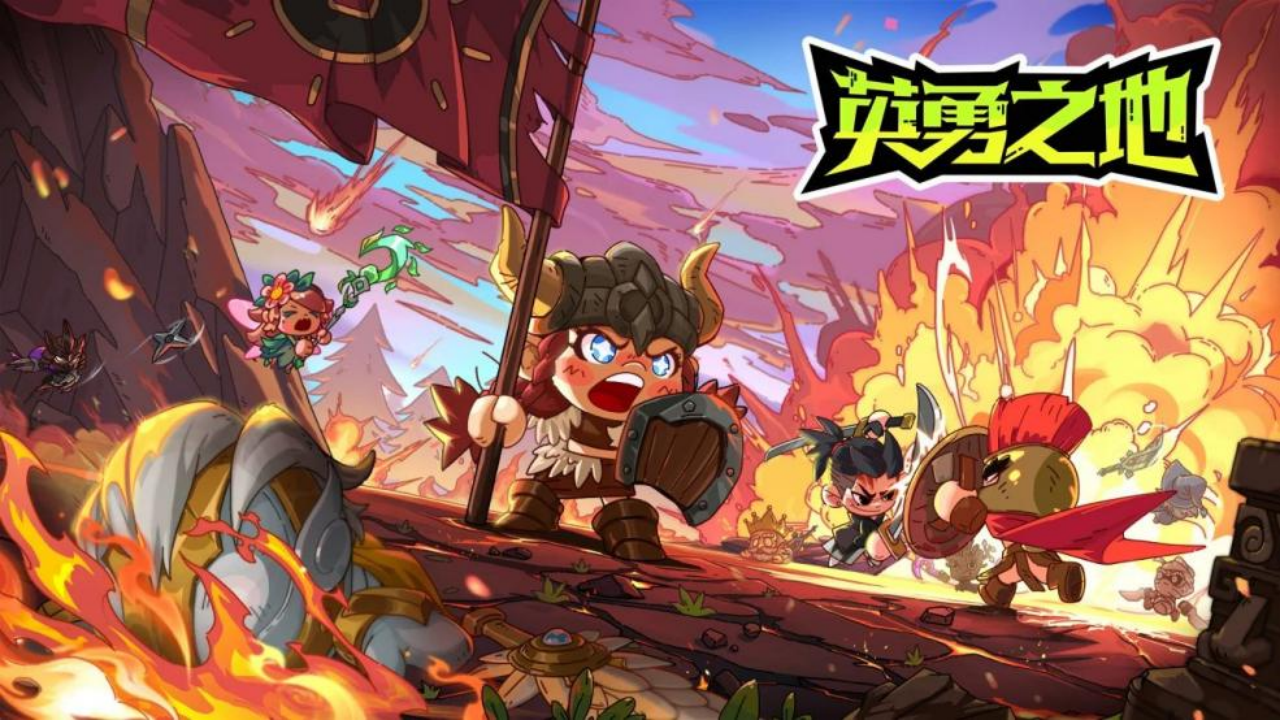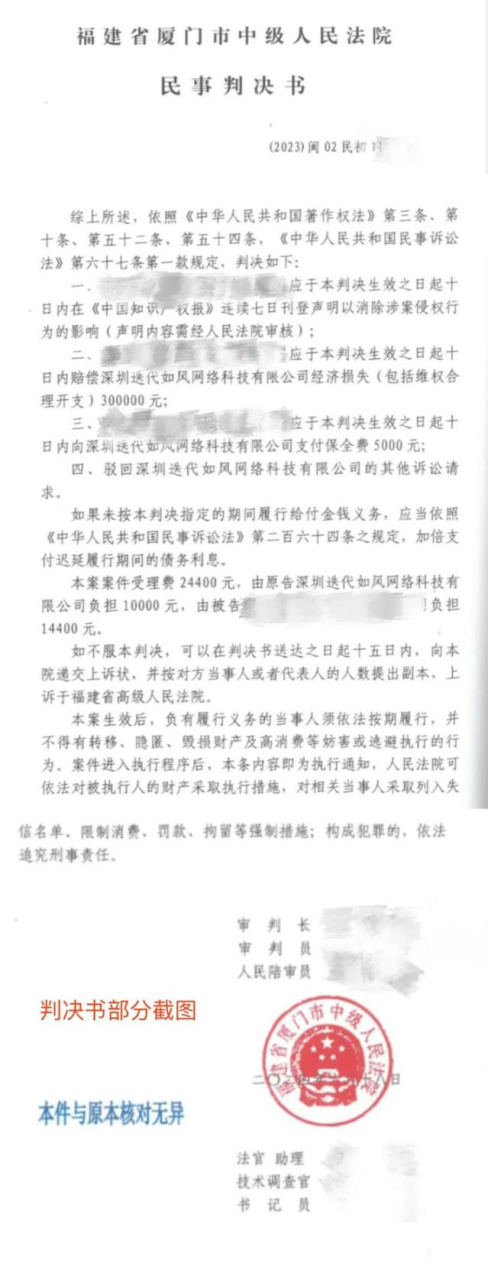
On June 18, the Xiamen People’s Court of Fujian Province rendered a judgment in a copyright infringement case arising from a so-called “reskinned” game, ordering the infringing game company to compensate RMB 300,000 in damages.
A game titled Desperate Battle Royale unlawfully appropriated relevant intellectual property of Brave Land, a game owned by PointTouch Technology, without obtaining any authorization. By modifying and repackaging the game and disseminating it in a manner highly likely to cause confusion among players, the infringing party sought to obtain improper commercial benefits. The right holder therefore initiated legal proceedings against the infringing game company.
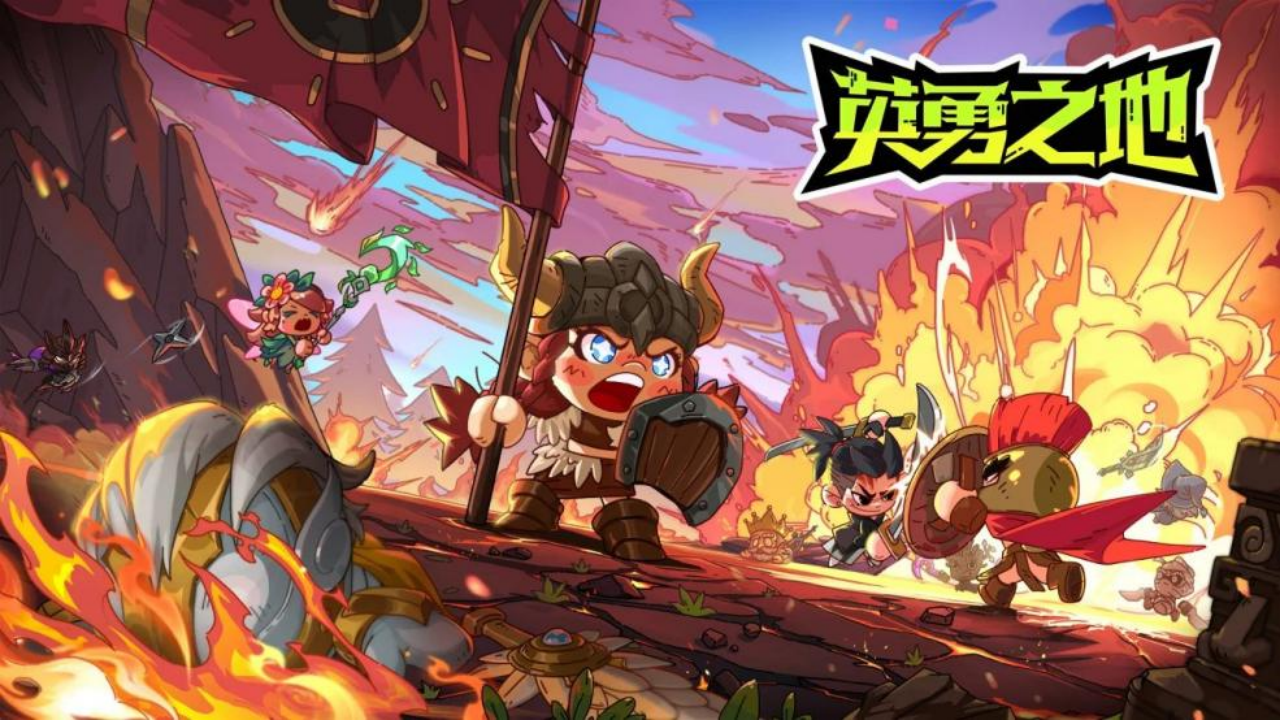
The court of first instance held that online games satisfy the constituent elements of audiovisual works under the Copyright Law. Upon comparison, although the two games exhibited minor differences in certain gameplay mechanics, systems, and art assets, they were highly similar in terms of game genre, item appearances, resource design, and user interface. In addition, the two games were substantially identical in their background music, numerical attributes, certain weapons and equipment, and interface layout.
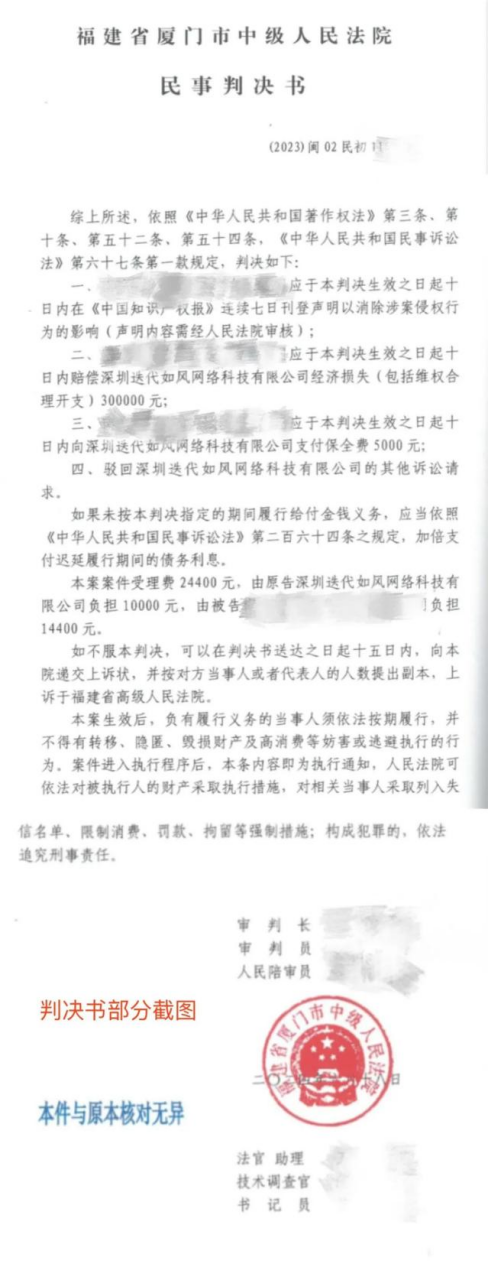
The court further found that, even though differences existed between the two games when viewed as a whole, with respect to the core content of the game, the continuous dynamic images as perceived and recognized by players did not present any substantive differences. Moreover, the infringing game did not constitute a “new work” within the meaning of the Copyright Law. Accordingly, the court ordered the defendant to publish a public statement in newspapers to eliminate the adverse impact of the infringement and to compensate the plaintiff for economic losses in the amount of RMB 300,000.
Norconn Commentary:
“Reskinning” game plagiarism refers to conduct whereby certain game developers, without obtaining permission from the copyright holder of the original game, arbitrarily copy or imitate the internal design elements of a successful game—such as system architecture, numerical settings, user interface, gameplay rules, and storyline—while replacing only the external expressive elements such as art assets, character designs, and background narratives. Through such superficial alterations, they attempt to evade plagiarism determinations and rapidly launch a product that appears “new” but is in fact highly similar.
In practice, disputes have long existed as to whether gameplay rules and similar design elements constitute “ideas” or “expressions,” which directly affects whether “reskinned” conduct can be recognized as copyright infringement. However, based on current judicial precedents, where a “reskinned” game copies gameplay rules, numerical settings, or game narratives that are original and sufficiently specific, and where such elements are interrelated, the conduct may still constitute copyright infringement.
For example, the rule that an “apple” item can be obtained from a tree is a common gameplay mechanic lacking originality. However, if apples of different colors perform different functions—such as a blue apple enabling time reversal and thereby providing players with specific advantages in combat—such a design may constitute an original gameplay rule protected by copyright.
When encountering “reskinning” plagiarism, game companies may initiate litigation on the grounds of copyright infringement or unfair competition. In asserting infringement, game companies may present comparative evidence focusing on gameplay rules, numerical settings, and user interfaces to demonstrate substantial similarity between the infringing game and the original game. At the same time, they should submit evidence such as the infringing game’s sales price (if any) and download volume, the development costs of the original game, the right holder’s profit losses, and invoices for rights enforcement expenses, in order to substantiate the infringer’s illegal gains and the right holder’s losses.
Where the scope of influence of the infringing game is relatively broad and may cause players to form erroneous perceptions during the subsequent operation of the original game—for example, where the original game was first released overseas and the “reskinned” game is released domestically in advance, leading players to mistakenly believe that the original game is the infringing party—the right holder should also request that the infringing game company issue a public apology through newspapers or other means to eliminate the adverse impact.